
10 Fresh Open Kitchen Ideas for Modern Living
So you’re thinking about transforming your kitchen into an open-concept paradise? Welcome to the club! I spent three years dreaming about knocking down that wall separating my cramped galley kitchen from my living room, and let me tell you—when I finally did it, my only regret was not doing it sooner.
Open kitchens have become the heart of modern homes, and honestly, it’s not hard to see why. They encourage conversation, make entertaining a breeze, and somehow make even the smallest spaces feel like you’ve magically added square footage.
But here’s the thing—there’s no one-size-fits-all approach to open kitchen design. Your personality, lifestyle, and aesthetic preferences should drive every decision you make.
That’s exactly why I’ve put together these 10 fresh open kitchen ideas that cater to different tastes and needs. Whether you’re a minimalist at heart or someone who thinks more is definitely more, there’s something here for you. Let’s get into it!
Minimalist Open Kitchen Ideas

Ever walked into a kitchen so clean and streamlined that you immediately felt calmer? That’s the magic of minimalist design, and it works exceptionally well in open-concept spaces.
The Philosophy Behind Minimalist Kitchens
Minimalism isn’t about deprivation—it’s about intentionality. Every item in your kitchen should earn its place. When your kitchen flows into your living area, clutter becomes everyone’s problem, not just yours when you’re cooking. A minimalist approach keeps visual noise to an absolute minimum.
I remember visiting a friend’s minimalist open kitchen and being genuinely confused about where she kept her appliances. Turns out, everything tucked away behind handleless cabinets with push-to-open mechanisms. Game-changer.
Key Elements for Minimalist Open Kitchens
Here’s what you need to nail this look:
- Flat-panel or slab cabinet doors in white, gray, or natural wood tones
- Integrated appliances that blend seamlessly with cabinetry
- Hidden storage solutions including pull-out pantries and drawer organizers
- Clean-lined countertops with minimal items on display
- Recessed lighting or simple pendant fixtures
- Monochromatic color schemes with subtle texture variations
The countertop situation deserves special attention. In a minimalist kitchen, you want surfaces that appear nearly empty. That means investing in smart storage—think appliance garages, vertical dividers for baking sheets, and deep drawers for pots and pans.
Making Minimalism Feel Warm
One criticism minimalist kitchens often face? They can feel cold or sterile. But that’s only if you do it wrong. Add warmth through natural wood accents, whether that’s floating shelves, a butcher block island top, or wooden bar stools. Plants also work wonders—a few strategically placed succulents or herbs bring life without creating clutter.
Cozy Open Kitchen Ideas
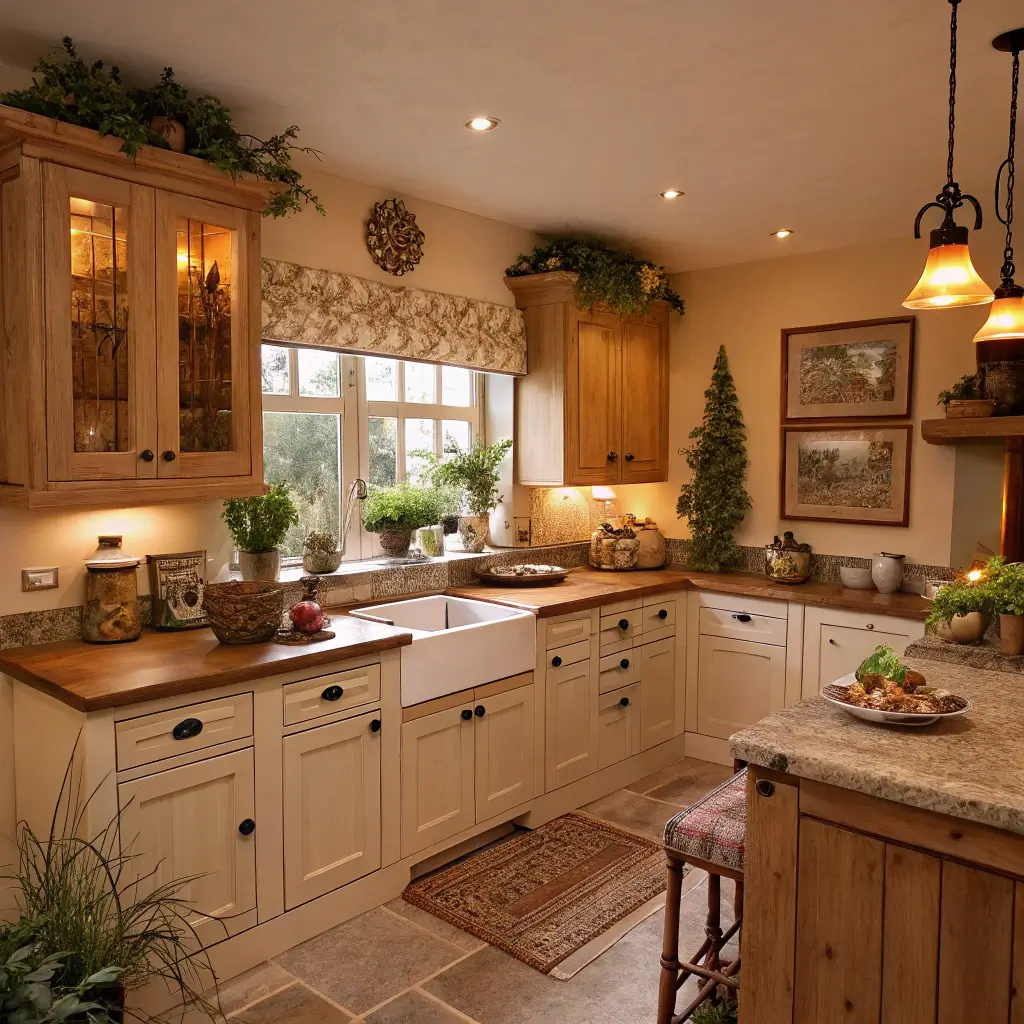
Not everyone wants their kitchen to look like a magazine spread. Some of us want a space that feels like a warm hug—somewhere you actually want to spend Sunday mornings making pancakes in your pajamas.
Creating That “Come Hang Out” Vibe
Cozy kitchens prioritize comfort over perfection. Think soft textures, warm lighting, and inviting seating areas that encourage people to linger. When your kitchen opens to living spaces, you have the perfect opportunity to create a cohesive cozy atmosphere throughout.
My grandmother’s kitchen always smelled like cinnamon, and I swear she had about fifteen different cookie jars on her counters. While I wouldn’t recommend going quite that far in an open layout, the principle holds: personal touches make spaces feel lived-in.
Essential Cozy Kitchen Components
To achieve that cozy factor, focus on:
- Warm wood tones for cabinets, floors, or accent pieces
- Soft, dimmable lighting rather than harsh overhead fixtures
- Comfortable seating like cushioned bar stools or a breakfast nook
- Textiles including rugs, curtains, and seat cushions
- Open shelving displaying meaningful items and collected pieces
- Warm paint colors like cream, sage, or terracotta
The lighting really makes or breaks a cozy kitchen. I replaced the fluorescent nightmare in my kitchen with pendant lights on dimmer switches, and suddenly my kitchen went from “hospital cafeteria” to “charming bistro.” Worth every penny.
Balancing Cozy with Clean
Here’s the tricky part: cozy can quickly become cluttered. In an open floor plan, you need to strike a balance. Choose meaningful decorative items rather than random knick-knacks. A vintage bread box? Charming. Seventeen novelty salt shakers? Maybe keep those in a cabinet.
Functional Open Kitchen Ideas
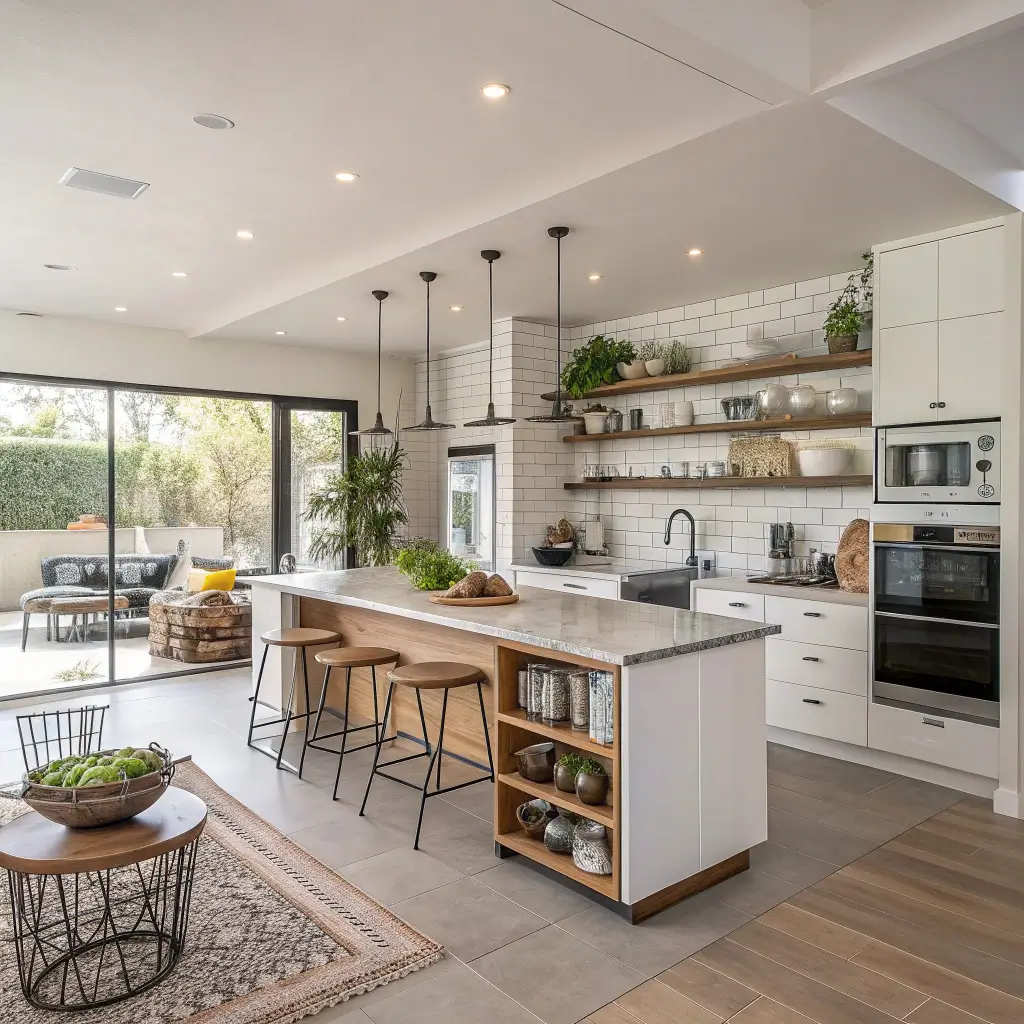
Let’s be real for a second. A kitchen can look absolutely stunning and still be a nightmare to actually cook in. I’ve seen these kitchens—beautiful marble countertops with zero prep space, gorgeous islands that block natural traffic flow. Form should follow function, especially in a space you use multiple times daily.
The Work Triangle (And Why It Still Matters)
You’ve probably heard about the kitchen work triangle—the optimal arrangement between your sink, stove, and refrigerator. In open kitchens, this becomes even more critical because you’re often working while socializing. Each leg of the triangle should measure between four and nine feet for maximum efficiency.
But honestly? The triangle concept is evolving. Many designers now focus on work zones instead:
- Prep zone with counter space, knife storage, and cutting boards
- Cooking zone with the stove, spices, and cooking utensils
- Cleaning zone with the sink, dishwasher, and garbage
- Storage zone for pantry items and bulk goods
- Serving zone connecting kitchen to dining/living areas
Functional Must-Haves for Open Kitchens
When functionality is your priority, invest in:
- Deep drawers for pots, pans, and appliances instead of lower cabinets
- Pull-out trash and recycling systems hidden in cabinetry
- Charging stations built into islands or countertops
- Adequate counter lighting for food prep safety
- Multiple prep surfaces at different heights if possible
- Easy-clean materials like quartz countertops and tile backsplashes
The Island Dilemma
Islands can make or break functional open kitchens. Too small, and it’s useless. Too large, and it blocks movement. My rule of thumb? Leave at least 42 inches of clearance on all sides for comfortable walking and working. If you can’t do that, consider a movable cart or peninsula instead.
FYI, an island that combines seating with prep space needs serious planning. You want at least 15 inches of overhang for comfortable knee space on the seating side.
Also Read: 12 Perfect Navy Blue Vanity Bathroom Ideas and Bright Accents
Luxury Open Kitchen Ideas
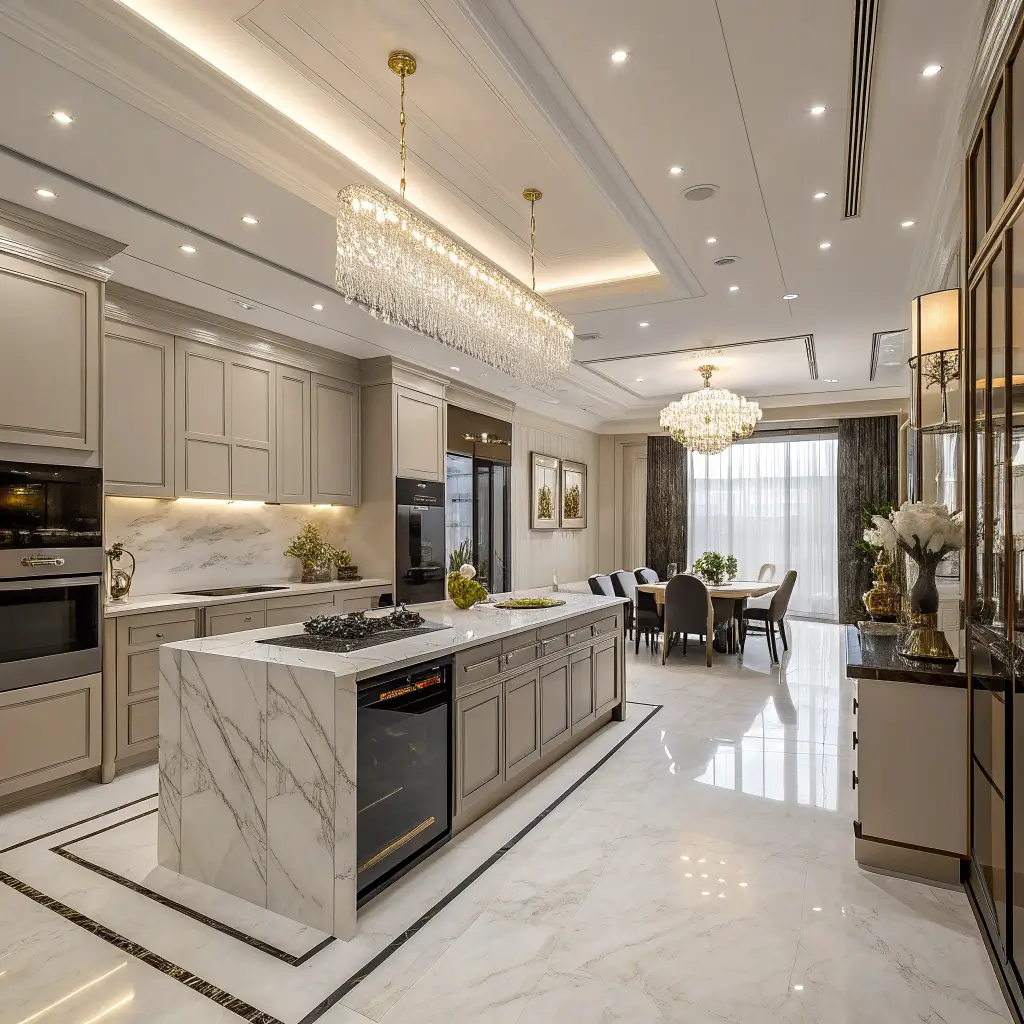
Sometimes you just want to go all out. Maybe you’re building your forever home, or you’ve been saving for years for this renovation. Either way, luxury open kitchens combine premium materials, professional-grade appliances, and custom details that make everyday cooking feel special.
What Actually Makes a Kitchen Feel Luxurious?
Luxury isn’t just about spending money—it’s about thoughtful investment in quality. I’ve seen expensive kitchens that felt cheap because the details were wrong, and more modest kitchens that felt high-end because everything worked together harmoniously.
The hallmarks of luxury open kitchens include:
- Natural stone countertops like marble, quartzite, or granite with dramatic veining
- Custom cabinetry with furniture-quality construction
- Professional-grade appliances from brands like Sub-Zero, Wolf, or Miele
- Statement lighting such as chandeliers or artisanal pendants
- High-end hardware in brass, unlacquered bronze, or custom finishes
- Unique architectural elements like coffered ceilings or arched openings
The Details That Elevate Everything
Ever notice how luxury hotels get those tiny details right? The same principle applies to kitchens. Soft-close drawers and doors should be standard. Under-cabinet lighting that actually illuminates your workspace makes cooking easier and looks amazing. Plumbing fixtures in polished nickel or unlacquered brass add subtle sophistication.
One upgrade I recommend to everyone with the budget: a pot filler over your stove. Is it necessary? Absolutely not. Does it make you feel like a culinary genius every time you use it? You bet.
Integrating Luxury with Open Living
The challenge with luxury kitchens in open floor plans is making them complement rather than overpower adjacent spaces. Your kitchen shouldn’t scream “LOOK AT ME!” while your living room whispers. Carry design elements like hardware finishes, wood tones, or accent colors throughout the connected spaces for cohesion.
Rustic Open Kitchen Ideas

There’s something deeply satisfying about rustic design. Maybe it’s the connection to simpler times, or maybe it’s just that reclaimed wood and farmhouse sinks look really, really good. Either way, rustic open kitchens bring warmth and character that modern designs sometimes lack.
Defining Modern Rustic Style
Let’s clarify something: rustic doesn’t mean outdated or kitschy. Modern rustic kitchens balance aged materials with contemporary conveniences. You want the aesthetic warmth of a country farmhouse with the functionality of a modern kitchen.
This style works particularly well in open floor plans because rustic elements naturally create visual warmth across connected spaces. That exposed beam in your kitchen? It can continue into your living area. Those reclaimed wood accents? Perfect for shelving throughout.
Key Materials and Features
To achieve authentic rustic appeal:
- Reclaimed or distressed wood for cabinets, islands, or ceiling beams
- Farmhouse or apron-front sinks in fireclay or copper
- Natural stone for countertops or accent walls
- Open shelving displaying rustic dishware and collected items
- Wrought iron or bronze hardware with an aged patina
- Shiplap or beadboard paneling on walls or ceilings
- Vintage-inspired lighting like lantern pendants or mason jar fixtures
Avoiding the “Theme Restaurant” Look
Here’s where people go wrong with rustic kitchens: they overdo it. If every single element screams “FARMHOUSE!” you end up with something that feels more like a Cracker Barrel than a sophisticated home.
Mix rustic elements with contemporary pieces. Maybe your cabinets are distressed wood, but your appliances are sleek stainless steel. Perhaps your island has a reclaimed wood base but a clean quartz top. Contrast creates interest.
Modern Open Kitchen Ideas
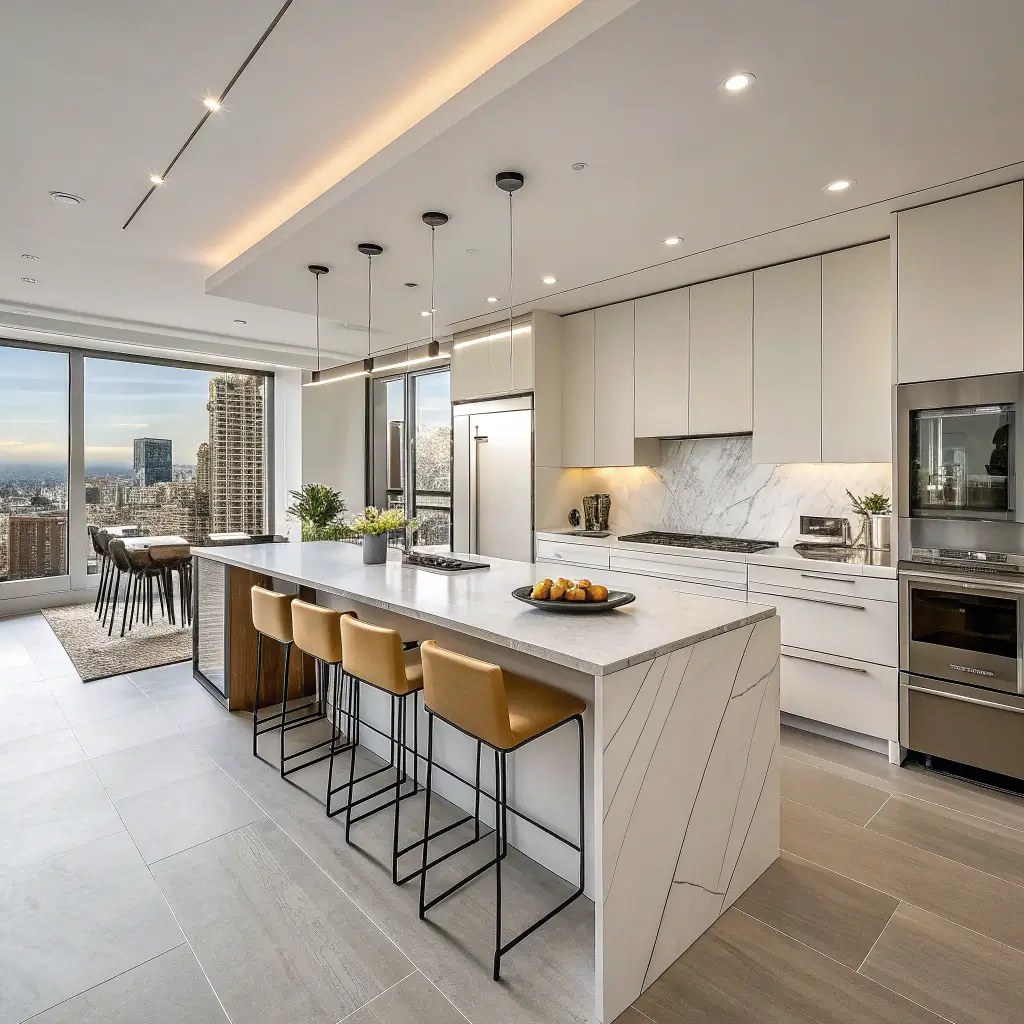
Modern design and open floor plans go together like coffee and Sunday mornings—they just make sense. Modern kitchens embrace clean lines, innovative materials, and uncluttered spaces that translate beautifully to open-concept living.
The Modern Kitchen Aesthetic
When I say “modern,” I’m talking about design that feels current without being trendy. Modern kitchens avoid ornamentation in favor of inherent material beauty. The grain of your wood cabinets becomes the decoration. The veining in your countertop becomes the art.
Modern open kitchens typically feature:
- Flat-panel or slab-door cabinets often in two-tone combinations
- Waterfall edge countertops and islands
- Integrated appliances for a seamless look
- Large-format flooring with minimal grout lines
- Statement range hoods as focal points
- Mixed metals thoughtfully distributed throughout
Technology Integration
Modern kitchens embrace technology in ways that make life easier. Smart appliances that you control from your phone, touch-activated faucets that work when your hands are covered in dough, built-in charging stations for devices, and integrated speakers for music while you cook—these features define modern kitchen life.
I was skeptical about smart refrigerators until I actually used one. Being able to check what groceries I need while standing in the store? Revolutionary. Never buying extra milk again.
Creating Visual Interest Without Clutter
Modern kitchens run the risk of feeling bland if not executed carefully. The key is strategic focal points. Maybe your backsplash features an unexpected geometric pattern. Perhaps your island sits on sculptural legs rather than a standard base. Consider open shelving with carefully curated items that add personality without creating visual chaos.
Also Read: 10 Bright Blue Bathroom Cabinets Ideas That Wow Instantly
Bright Open Kitchen Ideas
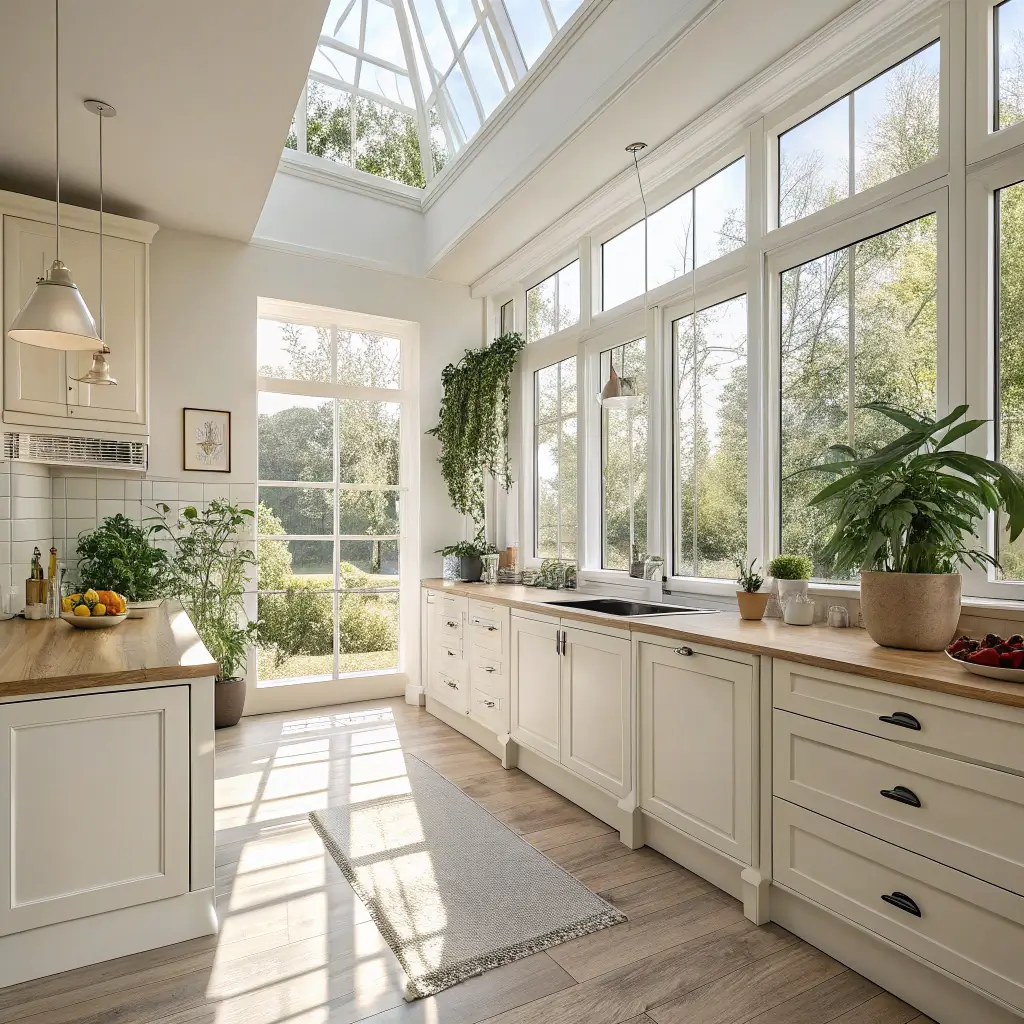
Nothing transforms a space quite like light. Bright open kitchens feel larger, more welcoming, and more energizing than their darker counterparts. Plus, when your kitchen connects to other living spaces, that brightness extends throughout, improving the feel of your entire home.
Maximizing Natural Light
If you’re lucky enough to have windows in or near your kitchen, make the most of them. Skip heavy window treatments in favor of sheers or nothing at all. Position your workspace near natural light sources. Consider skylights or solar tubes if windows aren’t an option.
During my kitchen renovation, I added a row of transom windows above my existing cabinets. The additional natural light was worth the extra expense ten times over.
Strategic Artificial Lighting
Natural light can only do so much, especially in the evening. Layered lighting design ensures your kitchen stays bright and functional around the clock:
- Ambient lighting provides overall illumination (recessed cans or flush mounts)
- Task lighting illuminates work surfaces (under-cabinet LEDs)
- Accent lighting highlights architectural features or displays (in-cabinet lighting)
- Decorative lighting adds style and personality (pendant fixtures)
Important note: always install dimmers. The bright light you need for chopping vegetables isn’t the same light you want during a dinner party.
Light-Enhancing Materials and Colors
Bright kitchens benefit from materials that reflect and amplify light:
- White or light-colored cabinets that bounce light around the room
- Glossy or semi-gloss finishes that have reflective properties
- Light countertops in white quartz, marble, or light granite
- Glass tile backsplashes that shimmer and reflect
- Mirrored or metallic accents placed strategically
- Light wood floors or pale tile that maintains brightness
Scandinavian Open Kitchen Ideas
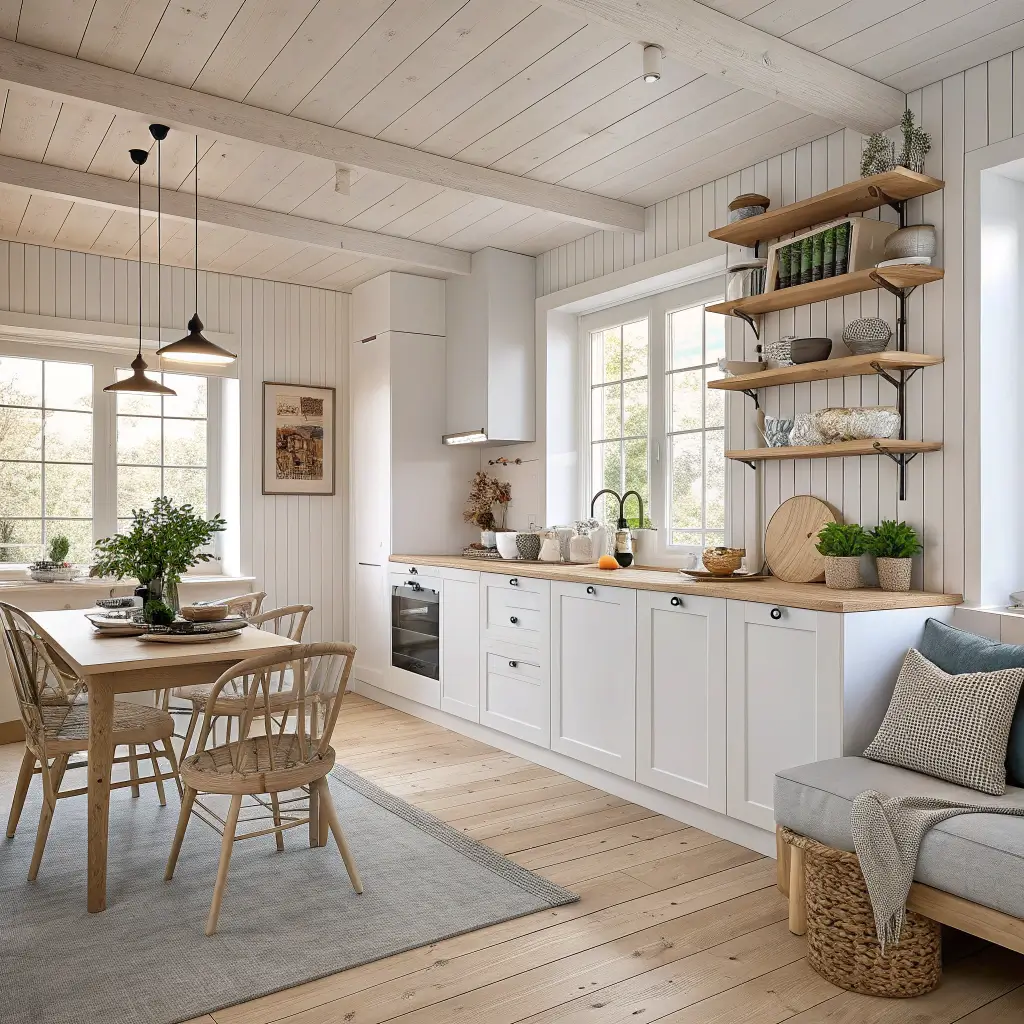
The Scandinavians figured something out that the rest of us are still catching up on: you can create spaces that are simultaneously minimal, functional, cozy, and beautiful. Scandinavian design, or “Scandi” if you want to sound cool, works exceptionally well in open kitchens.
The Principles of Scandinavian Design
Scandinavian design emerged from a place with long, dark winters, which explains the emphasis on light, warmth, and functionality. These kitchens aren’t just beautiful—they’re designed to make daily life easier and more pleasant.
The core principles include:
- Simplicity without sacrificing warmth
- Functionality in every design decision
- Natural materials particularly light woods
- Neutral color palettes with subtle color accents
- Hygge (that Danish concept of cozy contentment)
- Quality over quantity in every selection
Creating the Scandi Kitchen Look
For an authentic Scandinavian open kitchen, focus on:
- White walls and cabinets as your foundation
- Light wood accents in birch, ash, or whitewashed oak
- Simple, clean hardware or handleless cabinets
- Open shelving with minimal, purposeful displays
- Black accents for contrast (hardware, light fixtures, faucets)
- Plants and natural elements adding life and warmth
- Texture through textiles like linen, cotton, and wool
The Hygge Factor
What sets Scandinavian kitchens apart is that elusive “hygge” quality—a sense of cozy contentment. You achieve this through warm lighting, comfortable seating areas, soft textiles, and thoughtful details that make the space feel lived-in and loved.
A chunky knit throw on your kitchen bench seating, candles on the counter during winter months, a well-worn wooden cutting board displayed like art—these small touches create hygge. 🙂
Colorful Open Kitchen Ideas

Listen, I love a good neutral kitchen as much as the next person, but sometimes you just want to walk into a space that makes you smile. Colorful kitchens bring personality, energy, and joy to everyday tasks like doing dishes or making breakfast.
Making Bold Color Work in Open Spaces
The challenge with colorful kitchens in open floor plans? That color becomes a major part of your entire living space. This isn’t necessarily bad, but it requires careful planning.
There are several approaches to colorful open kitchens:
The Statement Island: Keep everything else neutral but paint your island a bold color. This creates a focal point without overwhelming the space.
Colorful Cabinets: Go bold on lower cabinets while keeping uppers neutral (or vice versa). Two-tone approaches let you embrace color without full commitment.
Backsplash as Art: A colorful tile backsplash adds vibrancy while remaining contained within the kitchen zone.
Appliance Pop: Colored appliances—think red SMEG refrigerators or teal KitchenAid mixers—add color while serving practical purposes.
Color Selection Tips
When choosing colors for your open kitchen:
- Consider your living space colors and choose kitchen colors that complement or intentionally contrast
- Test paint samples in different lighting conditions throughout the day
- Think about longevity: will you love that trendy millennial pink in five years?
- Balance bold choices with neutral elements
- Don’t forget about your appliances and countertops when planning your palette
IMO, the bravest color choice I’ve seen was a deep teal kitchen in an otherwise white open-plan space. It worked brilliantly because the teal was consistently used throughout—cabinets, bar stools, and decorative accents in the living area.
Working with Color Trends
Trendy colors can be fun, but they can also date your kitchen quickly. If you want to embrace current color trends, do so in easily changeable elements: bar stool upholstery, small appliances, decorative items, or even a painted accent wall you could easily repaint later.
Also Read: 10 Relaxing Dusty Blue Bathroom Ideas with Smart Design
Industrial Open Kitchen Ideas

Industrial design takes cues from converted warehouses and factories, celebrating raw materials, exposed structures, and utilitarian aesthetics. In open kitchens, this style creates a decidedly urban, edgy vibe that feels both modern and historically grounded.
Embracing Industrial Elements
Industrial kitchens don’t try to hide how things work—they celebrate it. The ductwork becomes a design feature. The concrete stays exposed. The materials show their origins.
Key industrial kitchen elements include:
- Exposed brick walls or faux brick treatments
- Concrete countertops or floors (polished or raw)
- Metal and steel accents in shelving, hoods, and fixtures
- Commercial-style appliances like restaurant-grade ranges
- Open shelving in metal or reclaimed wood
- Edison bulb or vintage industrial lighting
- Black steel-framed windows or doors
- Exposed plumbing and ductwork
Softening the Industrial Edge
Pure industrial design can feel cold and harsh, which isn’t ideal for a space where you want people to gather. The trick is balancing hard industrial elements with softer touches.
Add warmth through:
- Reclaimed wood for shelving, islands, or ceiling beams
- Leather bar stools or seating with soft upholstery
- Plants that bring life and color
- Warm metals like brass or copper alongside steel
- Textiles including rugs, throw pillows in adjacent seating areas
- Vintage finds that add personality and history
Industrial Kitchen Practicalities
One thing I love about industrial kitchens? They’re incredibly practical. Those commercial-style appliances actually work better than residential ones. The open shelving makes everything accessible. The durable materials can handle real cooking without requiring constant babying.
Just be aware: industrial floors like polished concrete can be hard on your feet and back during long cooking sessions. Consider anti-fatigue mats in your main work zones.
Pulling It All Together: Finding Your Open Kitchen Style
So here we are, ten completely different approaches to open kitchen design. Maybe you found yourself nodding along to one particular style, or maybe you’re drawn to elements from several. That’s completely normal—the best kitchens often blend influences from multiple aesthetics.
Questions to Ask Yourself
Before committing to any design direction, honestly evaluate:
- How do you actually use your kitchen? Do you cook elaborate meals or mostly reheat takeout? (No judgment either way!)
- What’s your cleaning tolerance? Open shelving looks amazing but requires maintenance. High-gloss surfaces show every fingerprint.
- How much does your kitchen connect to your living space? A fully open plan requires more cohesion than a kitchen with a visual separation.
- What’s your timeline? Are you creating a forever kitchen or something you’ll update again in five years?
My Final Thoughts
After years of researching, renovating, and obsessing over kitchens, here’s what I’ve learned: the best open kitchen is the one that works for YOUR life. Forget what’s trending on Pinterest or what your neighbor did. Think about how you move through your space, what makes cooking enjoyable for you, and what makes you smile when you walk into a room.
Whether you embrace the stark beauty of minimalism or fill your kitchen with color and personality, whether you invest in professional appliances or prioritize cozy seating—make choices that serve your actual life.
And remember, kitchens evolve. That trendy backsplash can be updated. Bar stools get replaced. Even paint colors change. Don’t let the fear of making the “wrong” choice paralyze you. Start with elements you truly love, and build from there.
Your open kitchen should be more than a pretty space—it should be the heart of your home where memories are made, conversations happen, and life unfolds beautifully. Now go make it happen!