
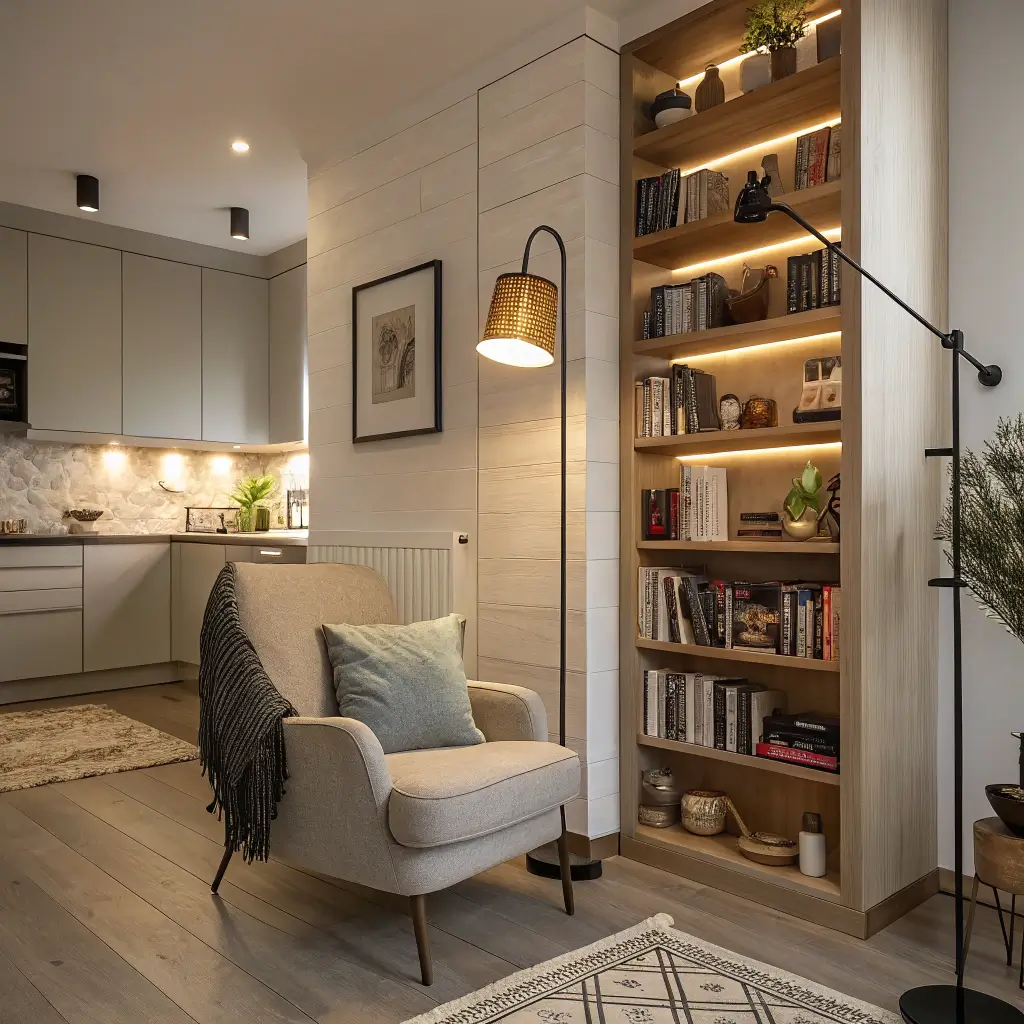
10 Smart Open Plan Kitchen Dining Living Ideas for Open Spaces

So you’ve got this gorgeous open plan space, and you’re staring at it thinking, “Now what?” I’ve been there. Literally stood in my empty living area with a coffee mug in hand, wondering how on earth I was going to make one giant room feel like three distinct spaces without throwing up walls.
Spoiler alert: I figured it out, and honestly? It became one of the most satisfying design projects I’ve ever tackled.
Open plan living sounds dreamy until you realize that without proper planning, your kitchen, dining, and living areas can feel like one chaotic blob of furniture and confusion. But here’s the thing—when you nail it, there’s nothing quite like the flow, the light, and the sheer livability of a well-designed open space.
Let me walk you through ten seriously smart ideas that’ll transform your open plan nightmare into a cohesive, functional, and downright stunning home. These aren’t just theoretical concepts I pulled from a magazine; they’re strategies I’ve seen work, tried myself, and genuinely believe in. Ready? Let’s get into it.
Multi-Zone Furniture Layouts
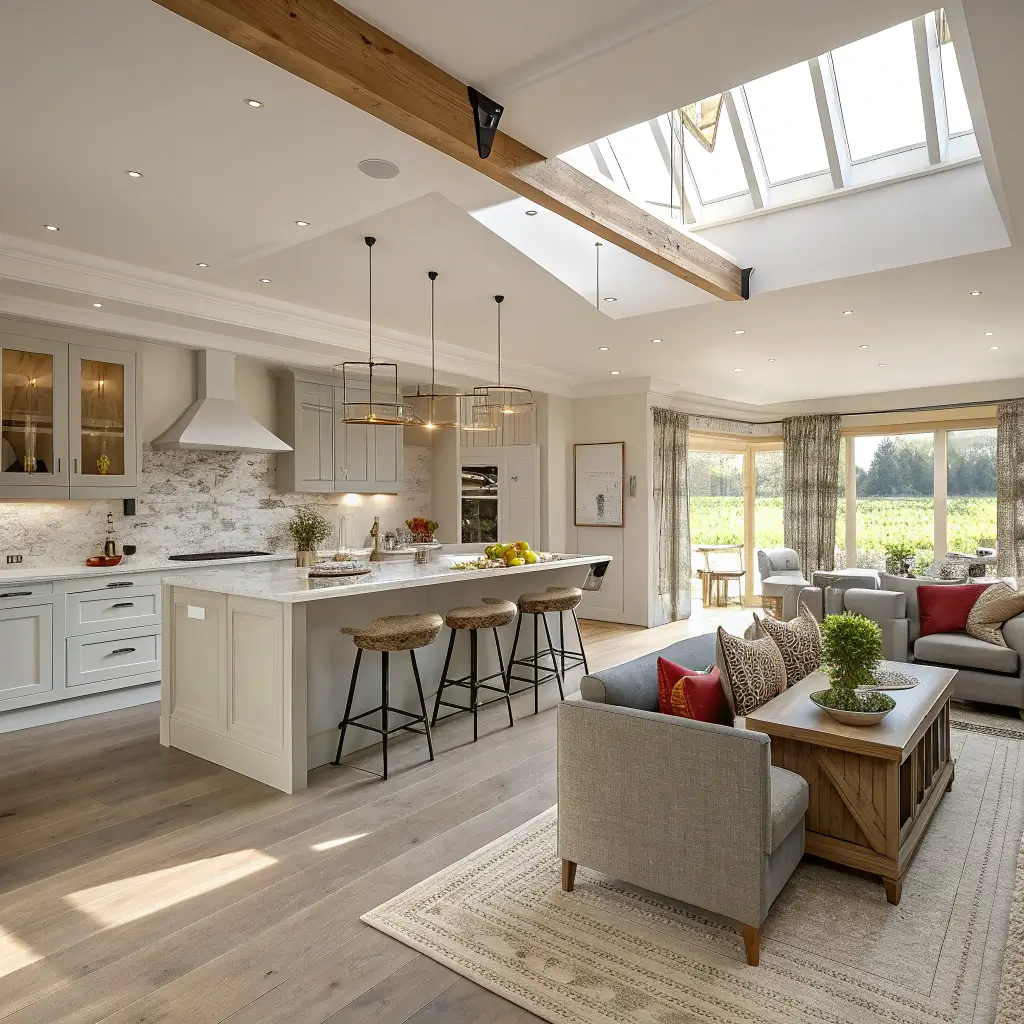
Ever walked into someone’s open plan space and immediately understood where to sit, where to eat, and where the cooking magic happens? That’s the power of intentional furniture zoning, and it’s honestly the foundation of every successful open plan design.
The Art of Invisible Boundaries
Here’s what most people get wrong: they push all their furniture against the walls, leaving this awkward ocean of empty floor space in the middle. Don’t do that. Seriously. Your furniture wants to work harder for you.
The secret lies in positioning pieces to create natural dividers between zones. Think of your sofa as more than just a place to binge Netflix—it’s a wall without the drywall. Place it perpendicular to your kitchen area, and suddenly you’ve created a clear boundary between cooking and lounging.
I remember helping my sister set up her new apartment last year. She had this beautiful L-shaped sectional that she’d shoved into a corner. We pulled it out, angled it to face away from the kitchen island, and boom—instant living room that felt intentional rather than accidental.
Creating Conversation Areas
Within your living zone, think about creating intimate conversation groupings. Two armchairs facing a sofa with a coffee table in between does wonders for making a vast space feel cozy and purposeful.
Key furniture zoning strategies include:
- Using the back of your sofa to define the living area boundary
- Positioning dining chairs to face inward, creating a contained eating space
- Placing a console table behind the sofa as a subtle divider
- Angling furniture at 45 degrees to break up boxy layouts
- Using area rugs to anchor each zone visually
The goal isn’t to make your zones feel isolated—they should still communicate with each other. You want guests to flow naturally from one area to the next while understanding the purpose of each space.
Hidden Storage Solutions
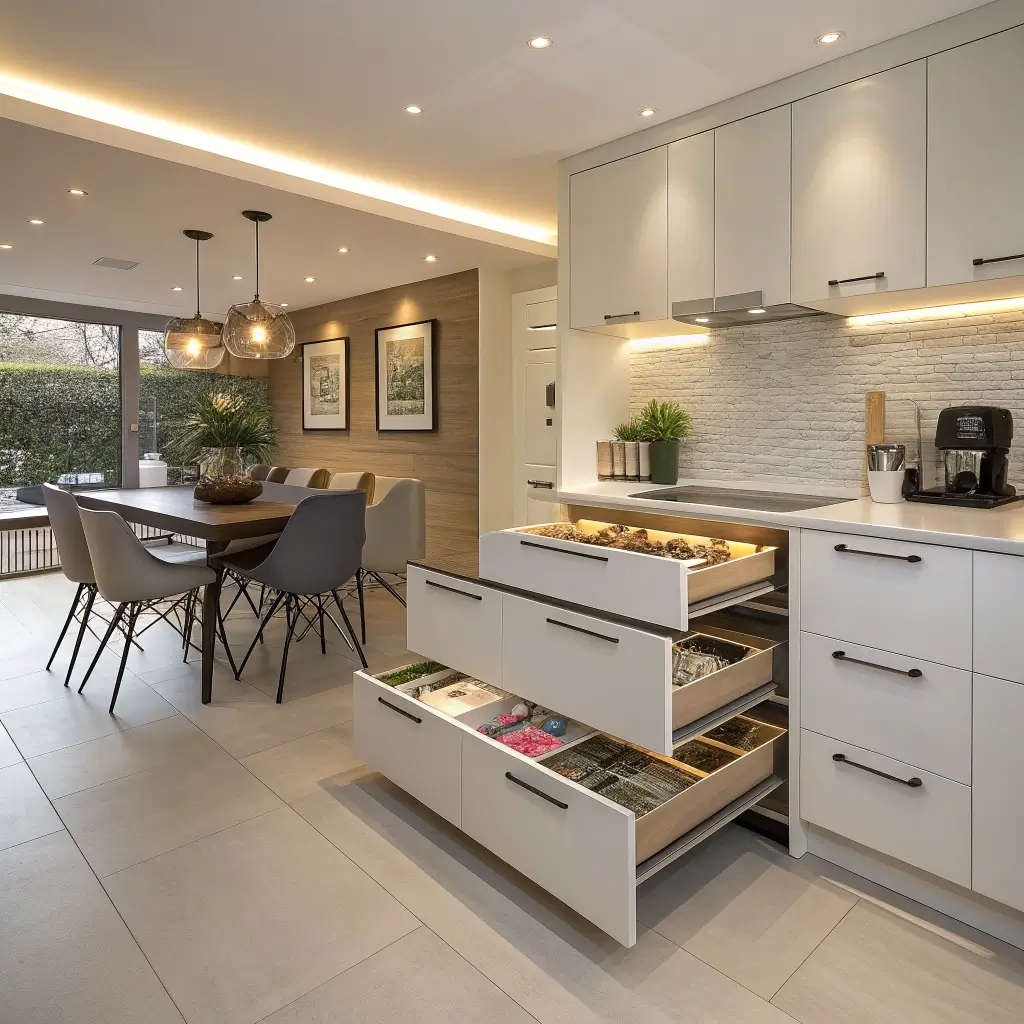
Can we talk about clutter for a second? Open plan spaces are beautiful until they become a dumping ground for everyone’s stuff. And let’s be honest, in a space where everything is visible from everywhere, clutter multiplies faster than you can say “spring cleaning.”
Built-In Magic
Built-in storage is your best friend in open plan living. I’m talking floor-to-ceiling cabinetry, window seats with lift-up lids, and kitchen islands that house more storage than a small warehouse.
My own kitchen island has deep drawers that hold everything from slow cookers to that pasta maker I used exactly twice. Out of sight, out of mind, and my open plan space looks like it belongs in a magazine rather than a storage unit.
Furniture That Works Double-Duty
Ottoman with hidden storage inside? Yes, please. Coffee table with drawers? Absolutely. Dining bench with a lift-up seat? You’re speaking my language.
Consider these hidden storage heroes:
- Media consoles with closed cabinetry (no one needs to see your DVD collection from 2007)
- Floating shelves in the dining area for dishes that double as decor
- Kitchen pantry pull-outs that maximize every inch
- Entry benches with shoe storage underneath
- Side tables with concealed compartments
The beauty of hidden storage is that it lets you maintain that clean, streamlined aesthetic while actually living in your space. Because let’s face it, nobody wants to live in a museum where you can’t leave a book on the side table.
Seamless Flooring Transitions
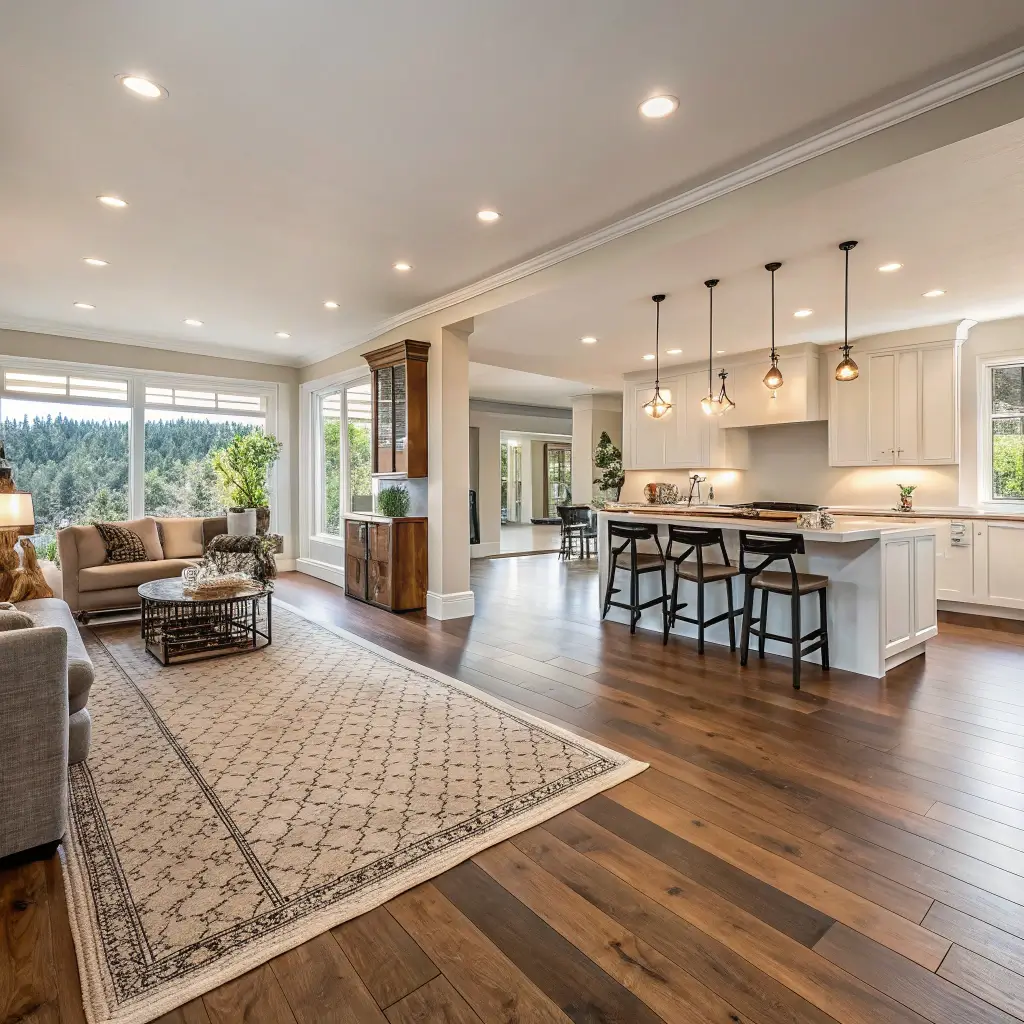
Here’s a debate that gets interior designers surprisingly heated: should you use the same flooring throughout your open plan space, or switch it up between zones?
The Case for Consistency
Continuous flooring creates visual flow and makes spaces feel larger. When your eye doesn’t hit a jarring transition between kitchen tile and living room hardwood, the entire area reads as one cohesive space.
I’ve seen small open plan apartments feel twice their size simply because the owners chose a single flooring material throughout. It’s like an optical illusion, but for your home.
When Transitions Make Sense
That said, sometimes you need different flooring for practical reasons. Kitchens see spills, heat, and heavy traffic. Living areas need warmth and comfort underfoot. The trick is making that transition look intentional rather than accidental.
Smart transition strategies include:
- Using a sleek metal strip for a clean, modern divide
- Choosing complementary materials in the same color family
- Creating a curved transition line for organic flow
- Installing the same material in different finishes (matte kitchen tiles, polished living room version)
- Using rugs strategically to define areas while keeping consistent flooring beneath
IMO, the best approach depends on your specific space. Older homes with existing flooring challenges might benefit from thoughtful transitions, while new builds can take advantage of that seamless look from the start.
Also Read: 12 Trendy Open Kitchen and Living Room Ideas for Chic Interiors
Statement Lighting Fixtures
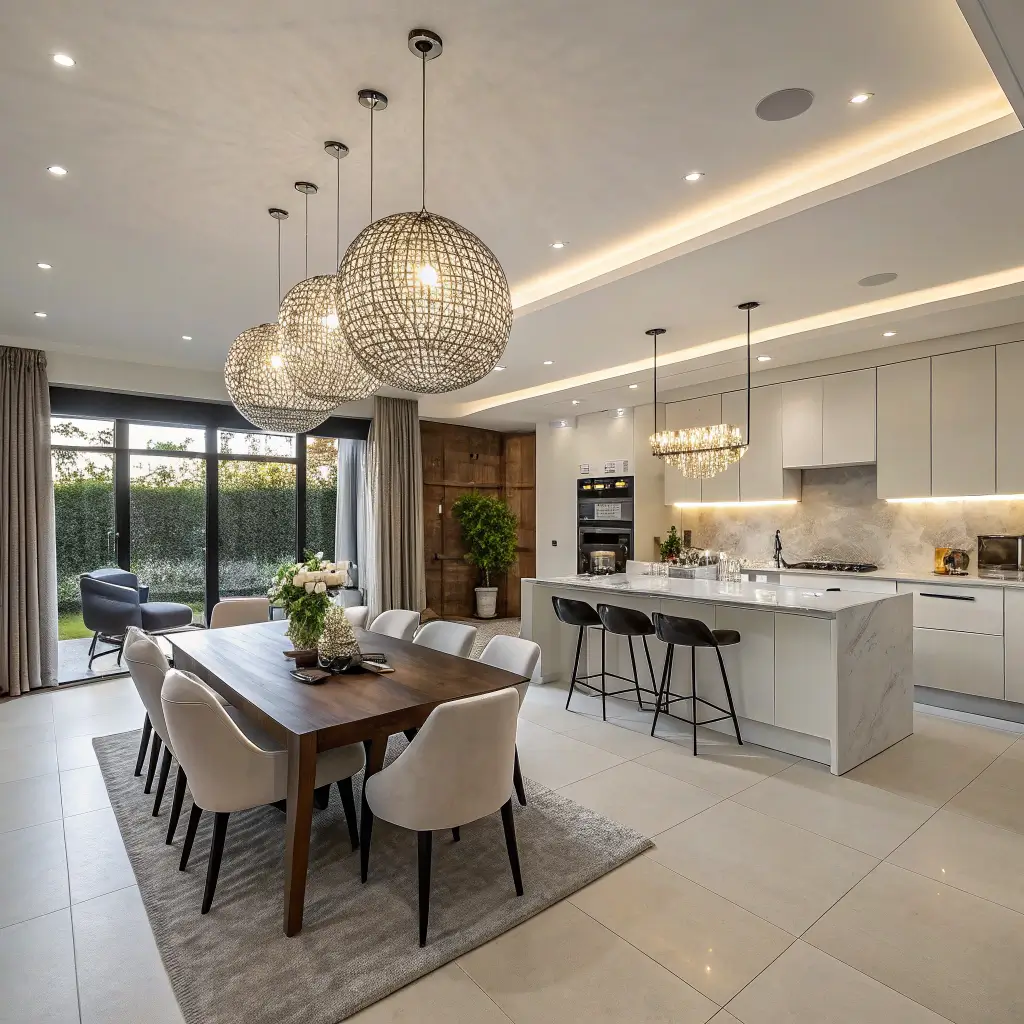
If furniture creates your zones, lighting defines them. And in an open plan space, you’ve got the perfect excuse to go big—like, really big—with your lighting choices.
Layered Lighting is Everything
One overhead light source in an open plan space? That’s a recipe for flat, uninspiring illumination that makes everything look slightly depressing. What you want is layers: ambient, task, and accent lighting working together.
Your kitchen needs bright, functional task lighting. Your dining area deserves a show-stopping pendant or chandelier. And your living zone? A mix of floor lamps, table lamps, and maybe some architectural lighting to create mood.
Making a Statement
Here’s where you get to have fun. That oversized pendant you’ve been eyeing for your dining table? This is its moment. A sculptural floor lamp next to your reading chair? Go for it. A cluster of glass pendants above your kitchen island? Chef’s kiss.
Lighting ideas that define each zone:
- A dramatic chandelier centered over the dining table
- Recessed lighting above the kitchen work triangle
- A statement arc lamp reaching over the living area
- Under-cabinet lighting for kitchen ambiance
- Wall sconces flanking the sofa for evening warmth
I installed a brass sputnik chandelier over my dining table last year, and it completely transformed the space. It’s become a conversation starter at every dinner party—guests literally comment on it before they even sit down. That’s the power of statement lighting done right.
Color-Blocking Wall Accents
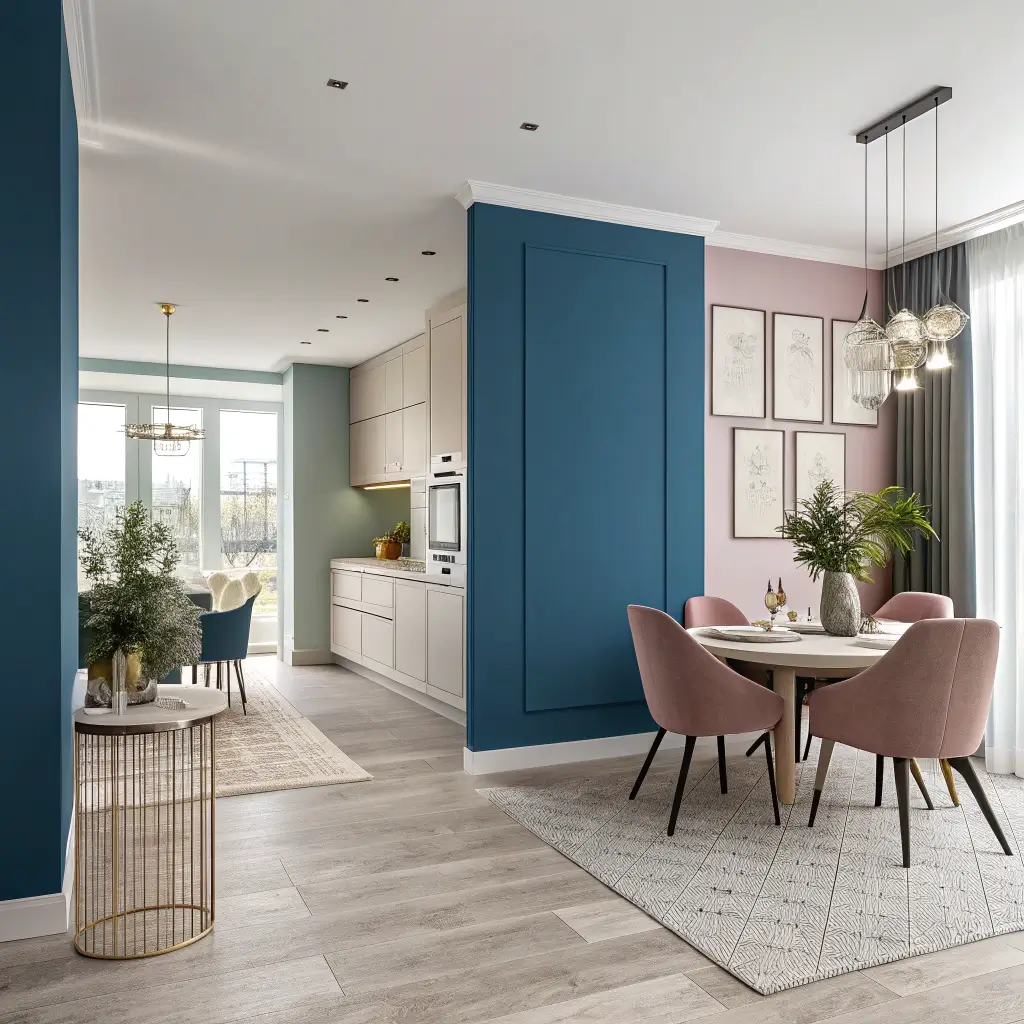
Who says your walls need to be the same color throughout? Color-blocking is one of the most effective (and budget-friendly) ways to visually separate zones in an open plan space without physical barriers.
Strategic Color Placement
Paint is cheap, and its impact is massive. Imagine your kitchen zone in a deep forest green, transitioning to warm white in the dining area, with a rich terracotta accent wall behind your sofa. Each color tells your brain, “This is a different space,” without ever breaking the open floor plan.
Bold vs. Subtle Approaches
You don’t have to go full rainbow if that’s not your vibe. Even subtle color variations—a cool gray kitchen with warmer taupe tones in the living area—create enough distinction to define zones while maintaining harmony.
Color-blocking strategies that work:
- Paint the wall behind your sofa in a bold accent color
- Use a darker shade on kitchen cabinetry to ground that zone
- Create a feature wall in your dining area
- Apply color at different heights (think: painting only the lower third of a wall)
- Use wallpaper in one zone for texture and pattern contrast
The key is choosing colors that complement each other. They don’t need to match perfectly, but they should feel like they belong in the same family. Think of it like putting together an outfit—your zones should coordinate, not clash.
Kitchen Island with Seating
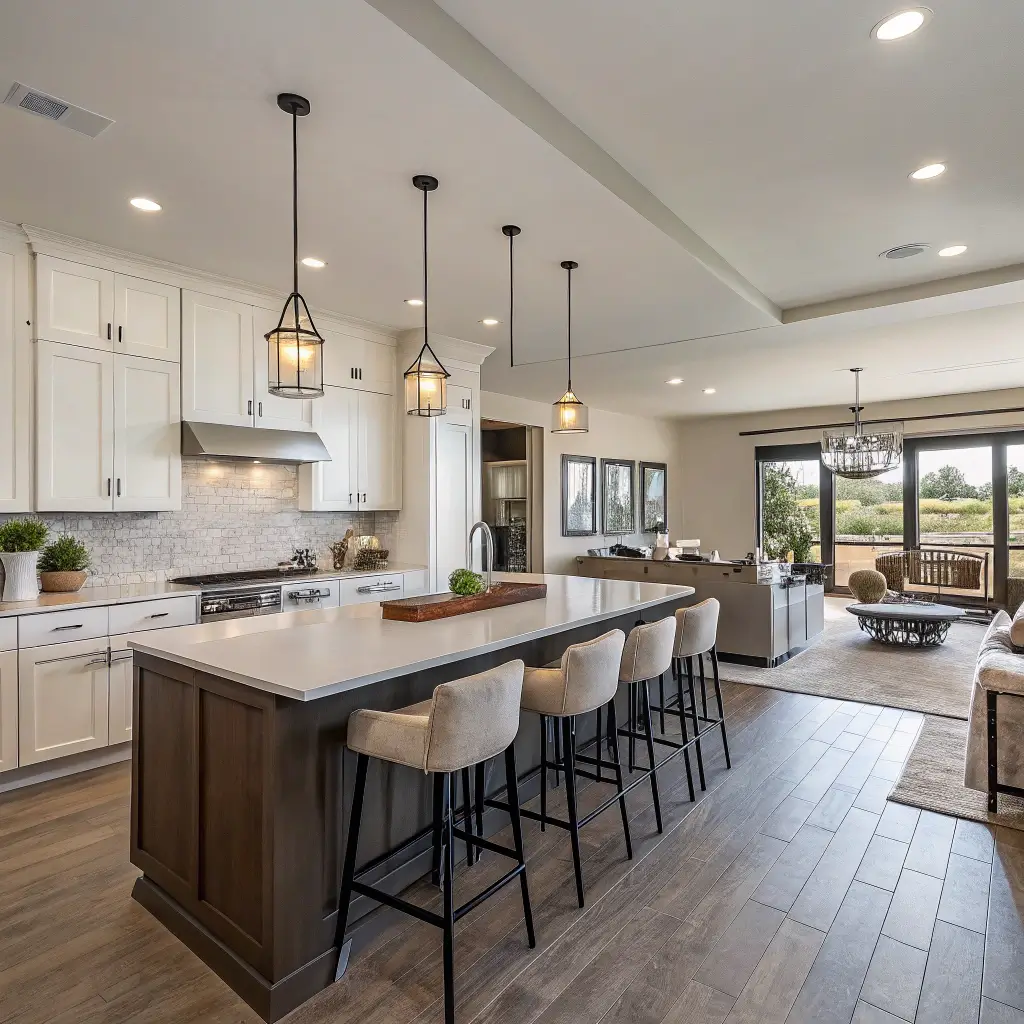
If you only implement one idea from this entire article, make it this one. A kitchen island with seating does more heavy lifting in an open plan space than almost any other element. It zones, it functions, and it brings people together.
The Social Hub
Your kitchen island becomes the bridge between cooking and conversation. Guests can sit with drinks while you prep dinner. Kids can do homework while you supervise. It’s the casual dining spot for quick breakfasts and the bar for evening cocktails.
I spent years with a kitchen that felt isolated from the rest of our open plan space. Adding an island with bar seating changed everything. Suddenly, cooking wasn’t a solo activity banished to the corner—it became part of the action.
Design Considerations
Not all islands are created equal. Size matters (you need at least 12 inches of overhang for comfortable seating), and so does placement (leave at least 36 inches of clearance around all sides for traffic flow).
Island must-haves for open plan success:
- Overhang for seating: Aim for 12-15 inches with adequate knee clearance
- Appropriate height: Standard counter height (36″) or bar height (42″) determines your stool choice
- Built-in storage: Drawers, shelves, or even a wine fridge
- Power outlets: For charging devices and kitchen gadgets
- Quality materials: The island face often faces the living area, so choose materials that look good from all angles
Your island doesn’t need to be enormous to make an impact. Even a modest island with two stools creates that crucial social connection between kitchen and living zones.
Also Read: 10 Practical Open Plan Kitchen Living Room Ideas for Busy Families
Cozy Reading Nooks
Here’s something people forget about open plan spaces: they can feel overwhelming. All that openness, all that visual information—sometimes you need a spot to retreat, a cozy corner that feels intimate and protected.
Creating Intimacy in Open Spaces
A reading nook gives you the best of both worlds. You’re still technically in the main living area, but you’ve carved out a private sanctuary within it. It’s genius, really.
Think about underutilized corners, window alcoves, or that awkward space next to the fireplace. These are prime real estate for creating a reading nook that becomes your favorite spot in the house.
Nook Essentials
What makes a reading nook actually cozy? It’s all about the details. You need comfort (a plush armchair or built-in bench with cushions), warmth (throw blankets, soft textures), and practicality (good lighting, a side table for your tea).
Building the perfect reading nook:
- Position near a window for natural light
- Add a small side table for books and beverages
- Include a dedicated reading lamp (task lighting is key)
- Layer textiles: cushions, throws, maybe even a small rug
- Consider partial enclosure: a tall plant, a room divider, or built-in shelving
My reading nook is literally just an oversized armchair positioned in the corner by our bookshelf, with a floor lamp arching overhead. It cost maybe $500 to put together, and it’s genuinely transformed how I use the space. 🙂
Indoor-Outdoor Flow Ideas
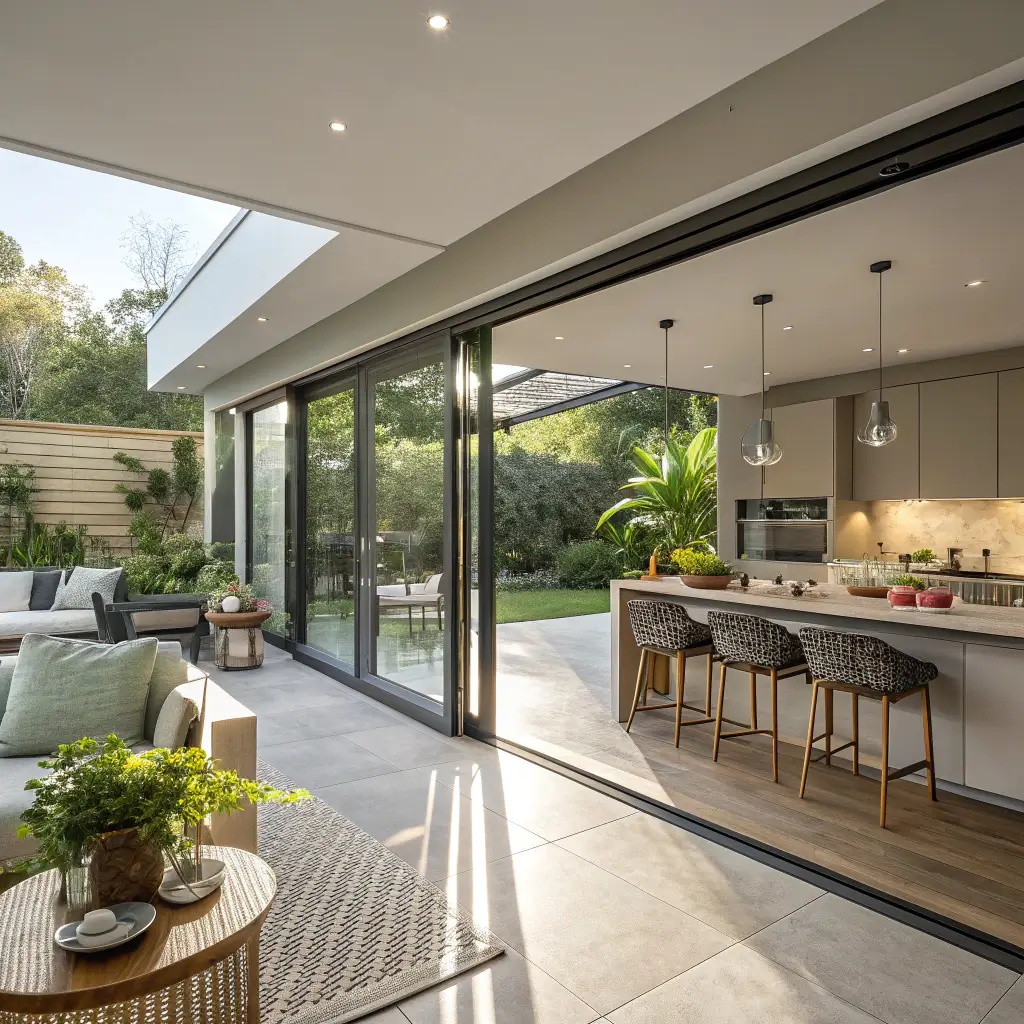
Open plan living doesn’t have to stop at your walls. Some of the most stunning open plan spaces I’ve seen extend seamlessly into outdoor areas, blurring the line between inside and out.
Breaking Down Barriers
Large sliding or folding doors are game-changers. When fully opened, they erase the boundary between your living area and your patio, deck, or garden. Suddenly, your open plan space doubles in size—at least during nice weather.
Even if you can’t install floor-to-ceiling glass doors, there are ways to enhance indoor-outdoor flow. Strategic window placement, French doors, or even a well-designed pass-through from kitchen to outdoor dining area all contribute to that connected feeling.
Visual Continuity
The trick is making your outdoor space feel like an extension of your interior rather than a separate entity. This means considering:
Indoor-outdoor connection strategies:
- Consistent flooring: Choose outdoor tiles or decking that complement your interior floors
- Continuous color palette: Outdoor furniture in colors that echo your interior scheme
- Repeated materials: Use the same wood tone or metal finish inside and out
- Aligned sightlines: Position outdoor furniture to create visual flow from interior seating
- Plants as transition elements: Greenery near windows and doors bridges the gap
When done well, indoor-outdoor flow makes your entire home feel more expansive and connected to nature. Plus, it’s incredible for entertaining—guests can move freely between inside and outside without feeling like they’ve left the party.
Minimalist Decor Themes
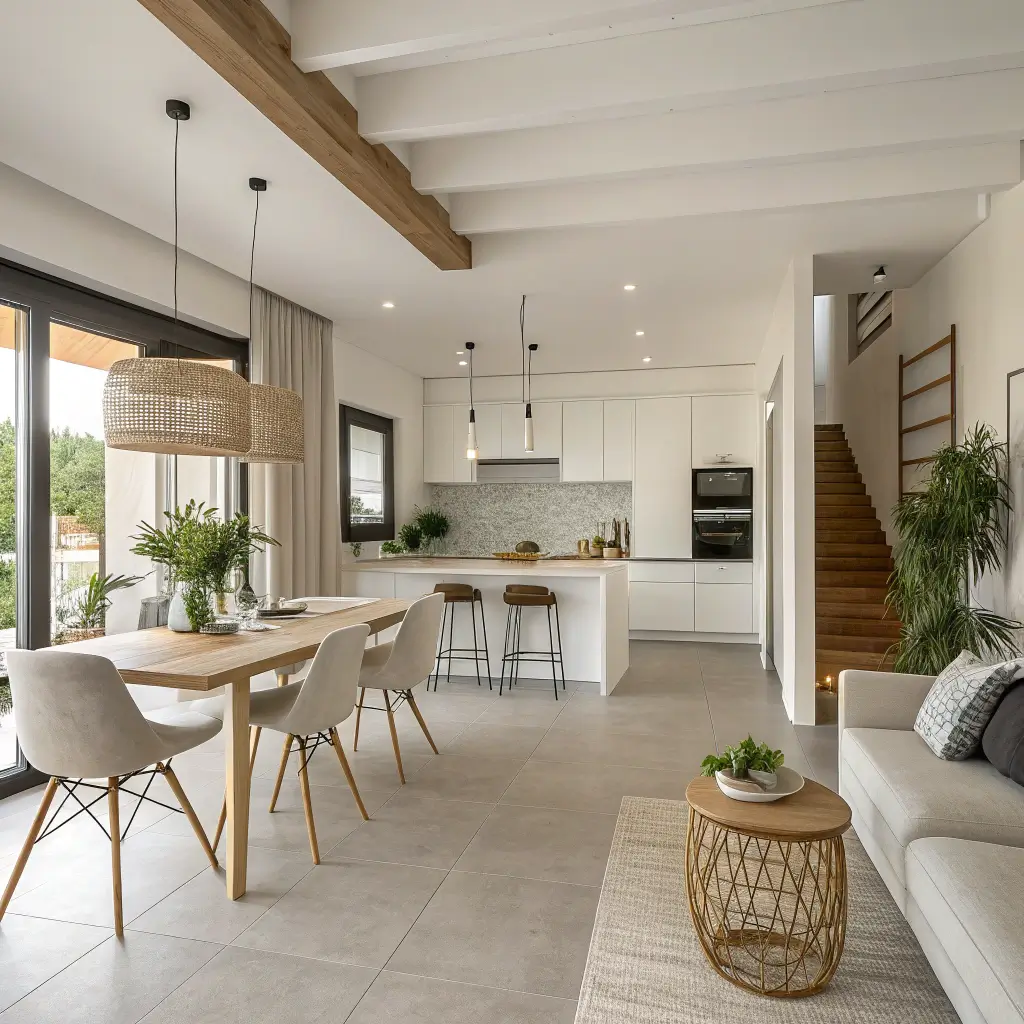
FYI, minimalism in open plan spaces isn’t about having less—it’s about having better. When every object is visible from multiple zones, each piece needs to earn its place.
The Power of Restraint
Open plan spaces reward intentional decorating. That collection of random cushions? It reads as clutter when viewed from across the room. That carefully curated selection of three neutral cushions? It reads as sophisticated and calm.
I used to be a maximalist. Every surface had something on it, every wall was covered with art, and every corner housed another plant. Then I moved into an open plan space, and I realized that all that stuff was creating visual chaos. Paring back was honestly liberating.
Minimalism Done Right
Minimalist doesn’t mean boring or sterile. It means every item has purpose and beauty. It means quality over quantity. It means breathing room for your eyes.
Minimalist strategies for open plan living:
- Choose furniture with clean lines and simple silhouettes
- Limit your color palette to 3-4 cohesive shades
- Edit decorative objects ruthlessly (if it’s not beautiful AND functional, reconsider it)
- Embrace negative space—not every surface needs something on it
- Invest in fewer, higher-quality pieces rather than many cheap ones
- Keep countertops as clear as possible (see: hidden storage solutions above)
The beauty of minimalism in an open plan space is that it lets your architectural features and key furniture pieces shine. Without visual noise competing for attention, the eye can appreciate the quality and design of what you do have.
Bold Accent Furniture Pieces
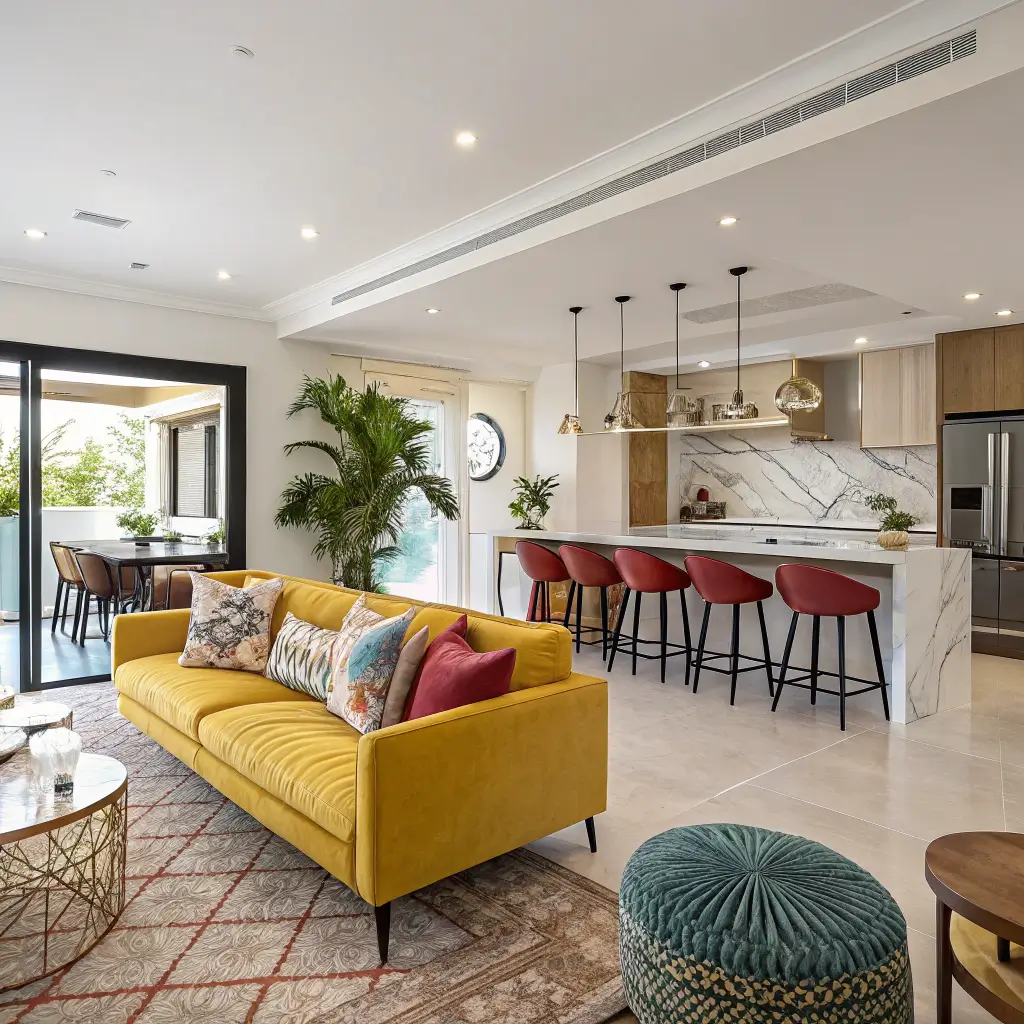
Okay, now we’re talking about the opposite end of the spectrum—but hear me out. Minimalism provides the calm backdrop; bold accent pieces provide the personality.
Making a Statement
Every open plan space needs at least one piece that makes you go “wow.” This could be a sculptural armchair in an unexpected color, a dramatic sideboard, or a dining table that stops people in their tracks.
Think of your open plan space like an outfit. The minimalist approach gives you your basics—your well-fitting jeans, your crisp white shirt. Bold accent pieces are your statement jewelry, your killer shoes, your vintage jacket that everyone compliments.
Choosing Your Hero Pieces
The key is restraint (yes, even when being bold). One or two statement pieces per zone is plenty. Any more, and you’re back to visual chaos.
Bold accent ideas that work:
- A velvet sofa in a rich jewel tone (emerald, sapphire, or burgundy)
- A sculptural dining chair set that contrasts with a simple table
- An oversized piece of art that anchors your living zone
- A vintage sideboard with character and history
- A bold-patterned armchair that becomes a focal point
- A unique coffee table—marble, reclaimed wood, or an unexpected shape
My personal hero piece is a mustard yellow velvet armchair that I found at an estate sale. It sits in my reading nook and adds this punch of color that makes the whole space feel more alive. Was it a risk? Sure. Do I love it every single day? Absolutely.
Balancing Bold and Restrained
The secret to making bold pieces work in an open plan space is balance. If your sofa is statement-making, keep your dining chairs simple. If your kitchen island is dramatic, tone down the living room furniture.
Consider the visual weight of each zone:
- Kitchen: Medium visual weight (functional but styled)
- Dining: Can handle heavy visual weight (statement lighting, bold table)
- Living: Balance of heavy (sofa) and light (side tables, accessories)
When you get this balance right, your open plan space feels curated rather than chaotic, intentional rather than accidental.
Bringing It All Together
So there you have it—ten ideas that can genuinely transform how your open plan kitchen, dining, and living space looks and functions. But here’s the thing: you don’t need to implement all of them at once. That’s overwhelming, and honestly, it’s a recipe for decision fatigue.
Start with the foundations: furniture layout and flooring. These create the bones of your space. Then layer in lighting, color, and storage solutions. Finally, add personality with accent pieces and cozy touches.
The best open plan spaces I’ve seen aren’t designed in a weekend. They evolve over time as the homeowners figure out what works for their lifestyle. Your reading nook might migrate to a different corner. Your statement piece might get swapped out as your taste changes. That’s okay—that’s living.
What I love most about open plan living is the flexibility. You’re not locked into a single vision. You can rearrange, experiment, and adapt as your needs change. Maybe you’ll host more dinner parties and need a bigger dining table. Maybe you’ll start working from home and need to carve out a workspace. An open plan allows for all of it.
So take these ideas, adapt them to your space, and don’t be afraid to break the rules when something feels right. At the end of the day, the best open plan space is one that works for you—one that makes you happy every time you walk through the door.
Now go forth and zone that space like a pro. You’ve got this.