
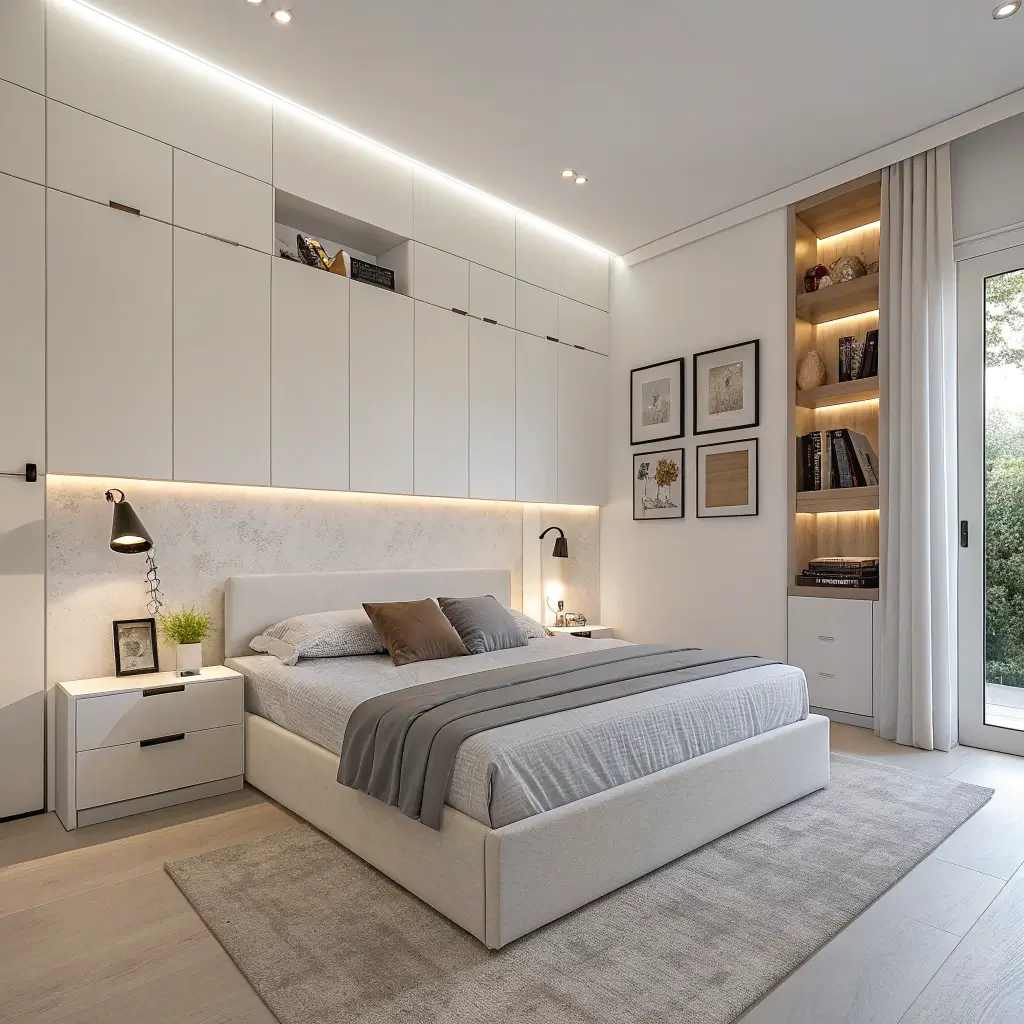
13 Chic Minimal Bedroom Interior Ideas with Natural Light

Let me guess—you’re scrolling through Pinterest at 2 AM, saving bedroom photos that make your current space look like a storage unit. Been there, done that, got the anxiety to prove it. 🙂
Here’s the thing about minimal bedrooms with natural light: they’re not just aesthetically pleasing Instagram fodder. They genuinely transform how you sleep, wake up, and feel throughout the day. I spent years thinking minimalism meant living like a monk with a mattress on the floor. Spoiler alert: I was wrong.
Natural light changes everything. It makes colors pop, shadows dance, and suddenly that simple white bedspread looks like it belongs in an architectural magazine. Combine that with intentional minimalism, and you’ve got yourself a sanctuary that actually promotes rest instead of chaos.
So whether you’re working with a shoebox apartment or a spacious primary suite, I’ve got 15 seriously chic minimal bedroom ideas that celebrate natural light. Each one brings something different to the table, and honestly, I’ve personally experimented with at least half of these concepts in my own home. Let’s get into it.
1. Scandinavian Minimal Bedroom
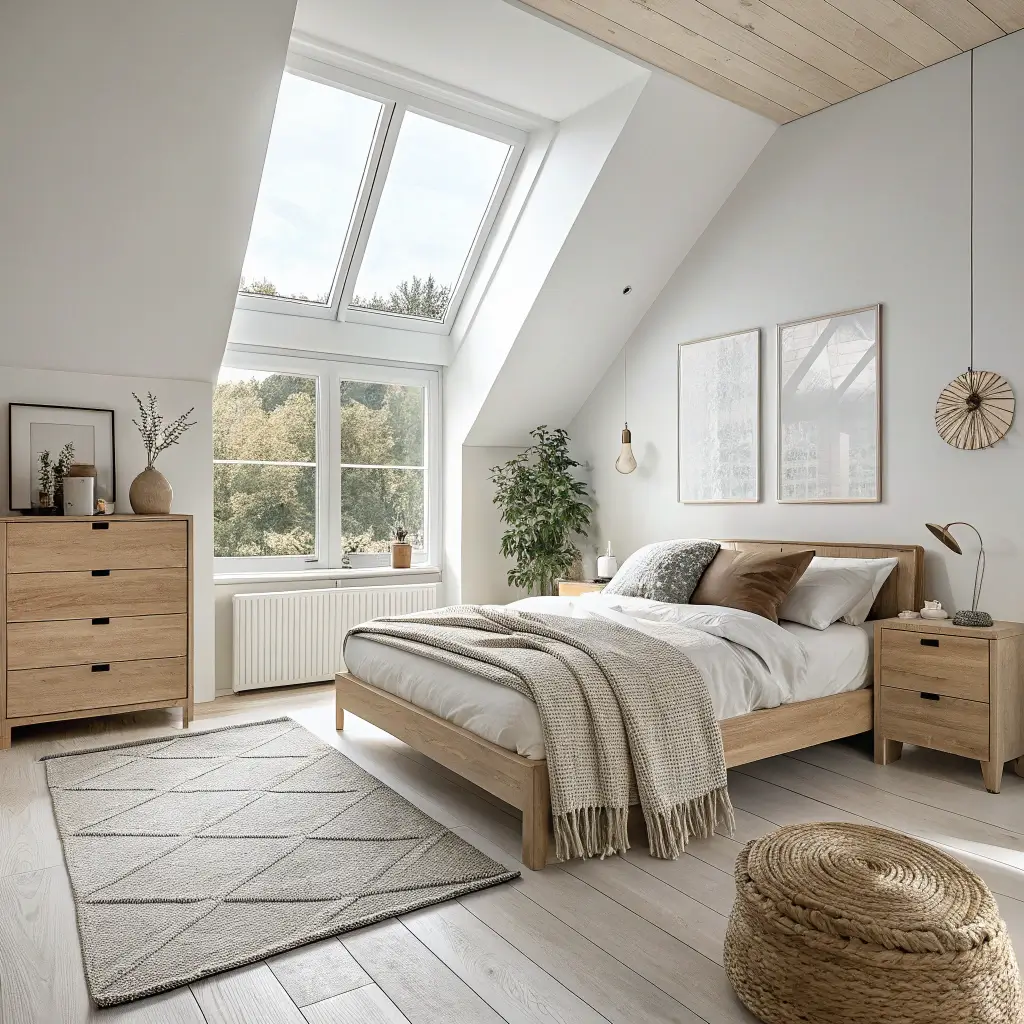
Ah, Scandinavian design—the OG of minimal living. There’s a reason this style has dominated interior design conversations for decades, and it’s not just because everyone loves IKEA meatballs.
The Core Philosophy
Scandinavian minimalism revolves around hygge—that cozy, content feeling that makes winter in Denmark actually bearable. The bedroom becomes a cocoon of warmth without visual clutter. Think clean lines, functional furniture, and a whole lot of white.
Key Elements to Nail This Look
- Color palette: Stick to whites, soft grays, and warm wood tones
- Textiles: Layer linen bedding with chunky knit throws
- Furniture: Choose pieces with tapered wooden legs and simple silhouettes
- Natural light: Sheer curtains or no window treatments at all
- Accents: One or two ceramic pieces, maybe a single framed print
The magic happens when natural light floods through those bare windows and bounces off all that white. Your room literally glows. I switched to sheer linen curtains last year, and honestly, waking up feels less like a punishment now.
Pro Tips
Skip the overhead lighting in favor of warm-toned table lamps. Scandinavian design celebrates soft, indirect light that mimics the gentle Nordic sun. Also, invest in quality bedding—Scandi style demands that you actually touch and use these pieces daily, so cheap polyester won’t cut it.
2. Monochrome Minimalist Retreat
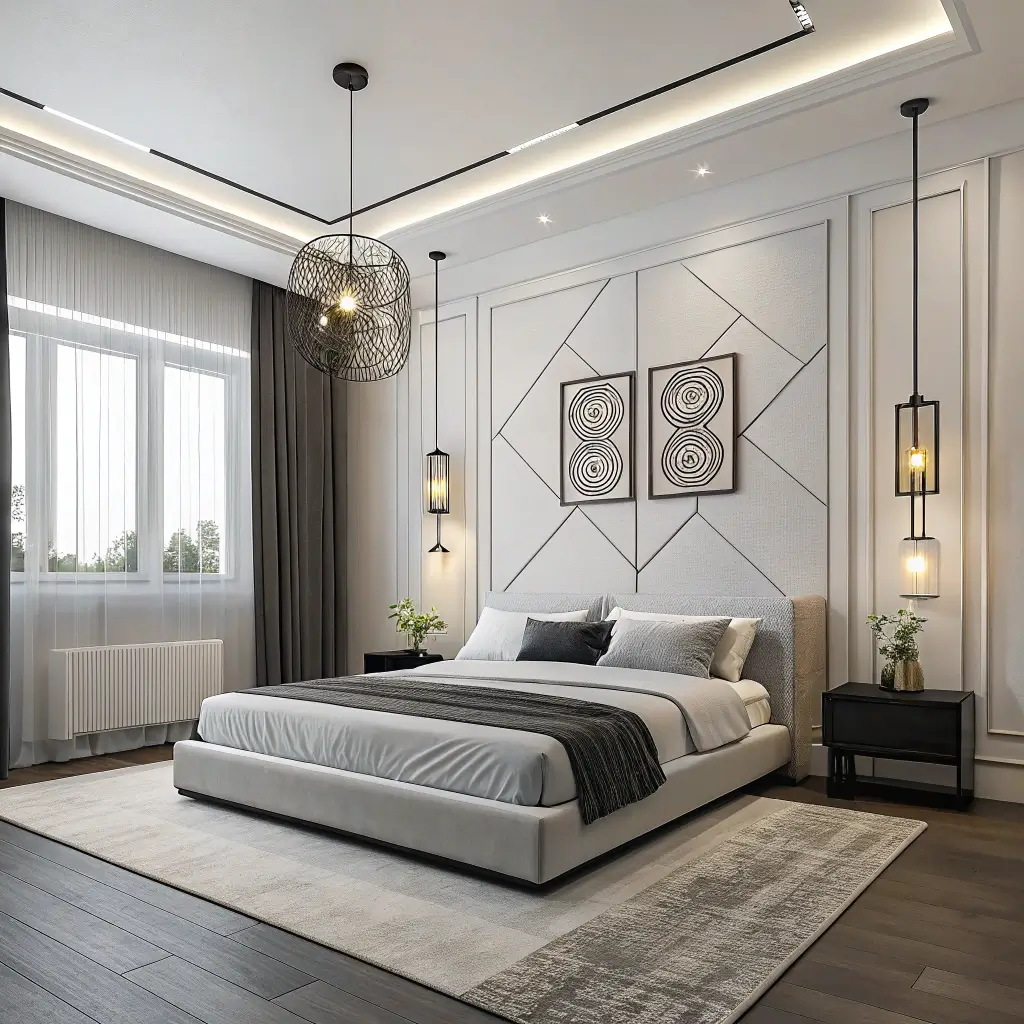
Want to feel like you’re sleeping in a high-end hotel every single night? Go monochrome. It’s bold, it’s sophisticated, and it’s surprisingly easy to execute.
Why Monochrome Works
When you eliminate color variations, your eye focuses on texture and form. Suddenly, that simple throw pillow becomes a sculptural element. The wrinkles in your duvet create visual interest. Natural light becomes your best friend because it defines every shadow and highlight.
Building Your Monochrome Palette
You’ve got options here:
- All-white: Crisp, clean, and dreamy (requires dedication to laundering)
- Charcoal and gray: Sophisticated and forgiving of dust
- Warm beige tones: Soft and inviting without being stark
- True black and white: High contrast and dramatic
Making It Work
The secret sauce? Vary your textures obsessively. Mix matte and glossy finishes. Combine smooth cotton with chunky wool. Add a faux fur throw on a leather bench. Without color to create interest, texture does all the heavy lifting.
I once tried an all-white bedroom and lasted exactly three months before adding a black nightstand. Pure white is gorgeous but requires monk-like discipline to maintain. Choose your battles wisely.
3. Tiny Space Minimal Bedroom
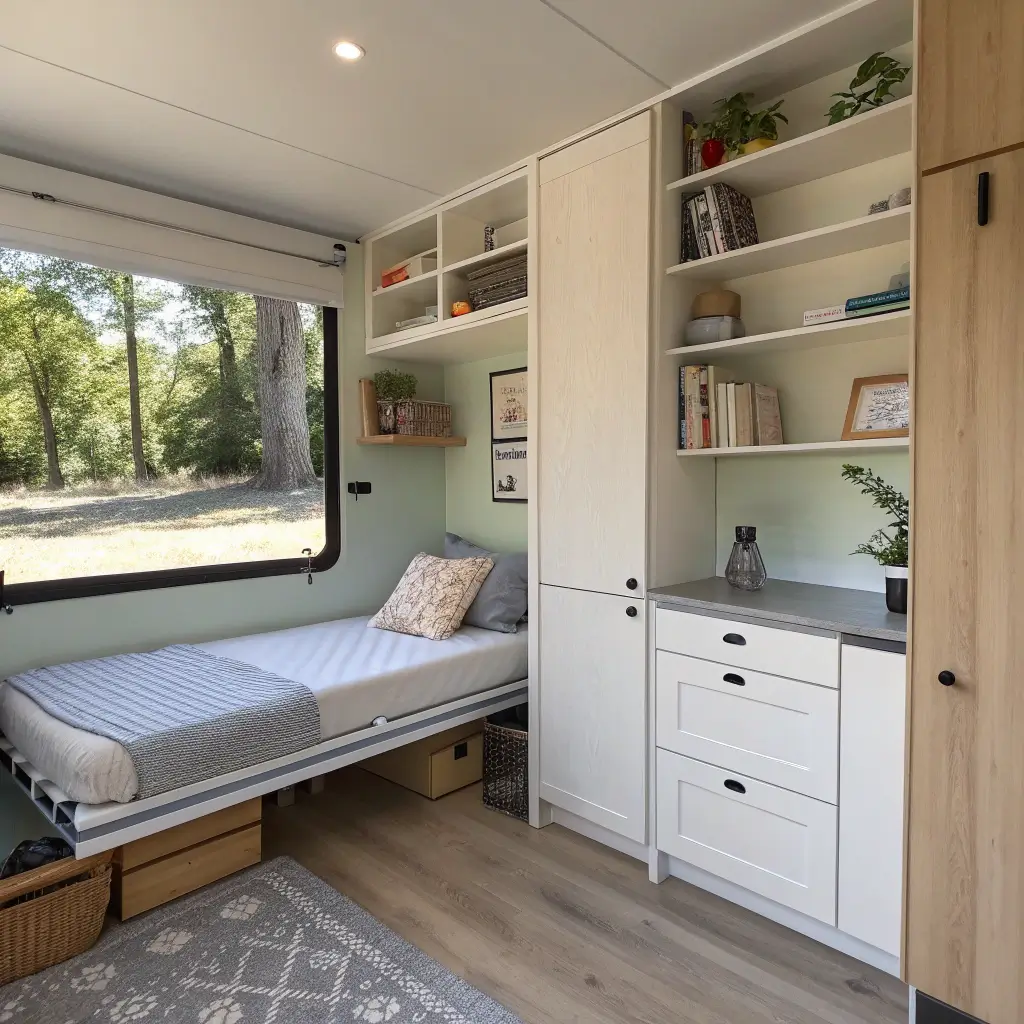
Here’s where minimalism stops being a choice and becomes a survival strategy. Small bedrooms demand intentional design, and honestly? Some of the most beautiful rooms I’ve seen were tiny.
The Tiny Space Mindset
You can’t fake minimalism in a small room. Every item needs to earn its spot. Every piece of furniture must serve multiple purposes. It’s like a design boot camp that forces you to prioritize what actually matters.
Essential Strategies
Maximize vertical space. When floor space is precious, build upward:
- Floating shelves above the bed
- Tall, narrow dressers instead of wide ones
- Hooks on the back of doors
- Under-bed storage bins
Keep furniture low-profile. A platform bed without a bulky headboard makes the room feel larger. Skip the traditional nightstand and mount a small shelf instead.
Light Is Your Secret Weapon
In tiny bedrooms, natural light is non-negotiable. It opens up the space visually and prevents that claustrophobic feeling. Use mirrors strategically to bounce light around. Avoid heavy curtains that block windows and choose light, airy fabrics instead.
My first apartment bedroom was literally 8×10 feet. I survived by keeping only essential furniture and painting everything the same white as the walls. The room felt twice its actual size.
4. Minimal Boho Bedroom
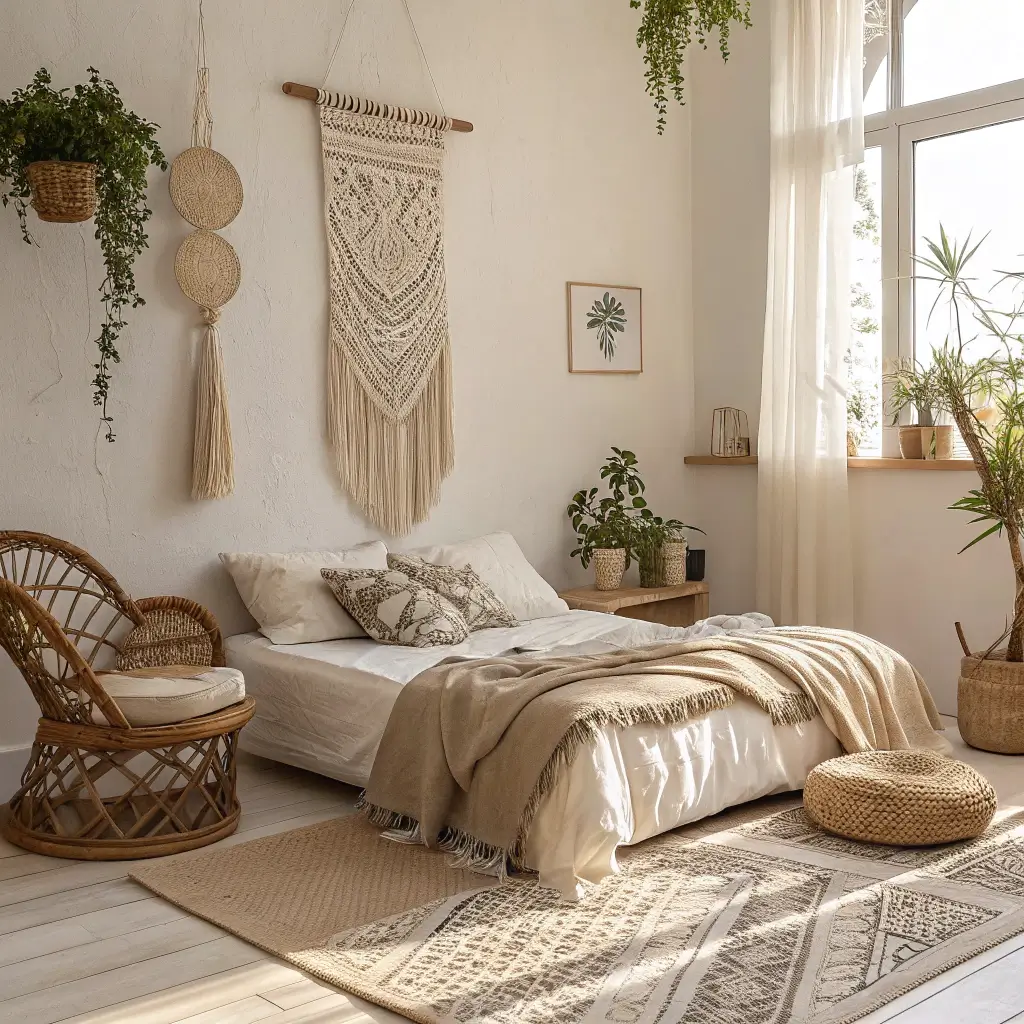
Wait—boho and minimal in the same sentence? I know it sounds like an oxymoron, but hear me out. This fusion actually works beautifully.
The Balanced Approach
Traditional boho maximalism involves collecting everything beautiful you’ve ever seen and cramming it into one room. Minimal boho takes the warmth and personality of bohemian style but edits ruthlessly. You keep the soul, ditch the chaos.
Core Design Elements
- Natural materials: Rattan, jute, macramé, raw wood
- Earthy color palette: Terracotta, sage, cream, mustard
- Textural layering: But limited to 3-4 key pieces
- Plants: Because no boho space exists without greenery
- Handmade accents: One or two artisanal pieces, not twenty
How Natural Light Enhances This Style
Boho spaces thrive on warm, golden light. Position your bed to catch morning sun filtering through woven shades. The interplay of light through macramé or rattan creates gorgeous shadow patterns on your walls—free art, basically.
My Take
IMO, minimal boho is perfect for people who want personality without visual overwhelm. It’s collected but curated. Lived-in but intentional. Just resist the urge to add “one more thing”—that’s how boho rooms spiral into chaos.
5. Minimalist Japanese Zen Bedroom
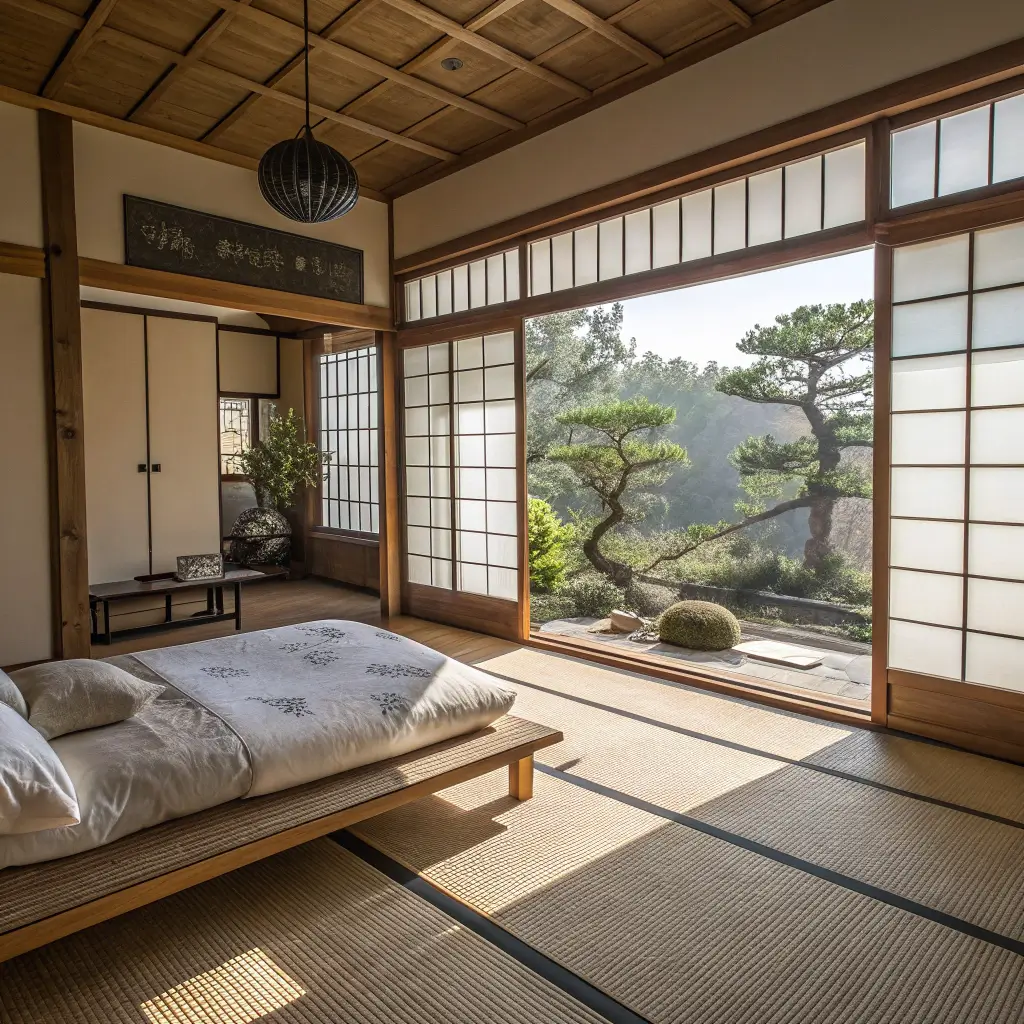
Japanese design philosophy might be the purest form of minimalism out there. It’s not about deprivation—it’s about finding beauty in simplicity and space.
Understanding the Philosophy
Japanese minimalism embraces concepts like:
- Ma: The appreciation of negative space
- Wabi-sabi: Finding beauty in imperfection
- Kanso: Simplicity and elimination of clutter
These aren’t just design principles; they’re lifestyle philosophies that happen to create stunning bedrooms.
Key Design Features
Low furniture is essential. Platform beds sitting close to the ground connect you to the earth and create expansive visual space above. Think futon-style mattresses or simple wooden frames.
Natural materials dominate: bamboo, rice paper, stone, and raw wood. Colors stay neutral—white, cream, soft gray, and natural wood tones.
Shoji screens or rice paper shades filter natural light beautifully, creating that soft, diffused glow Japanese interiors are famous for.
Creating Your Zen Space
- Remove everything that doesn’t serve a purpose
- Leave generous empty space around furniture
- Incorporate one meaningful object as a focal point
- Use indirect lighting and natural daylight
- Add a single plant or bonsai for organic life
The result? A bedroom that actually feels calm. Revolutionary concept, right?
6. Neutral Toned Minimal Bedroom
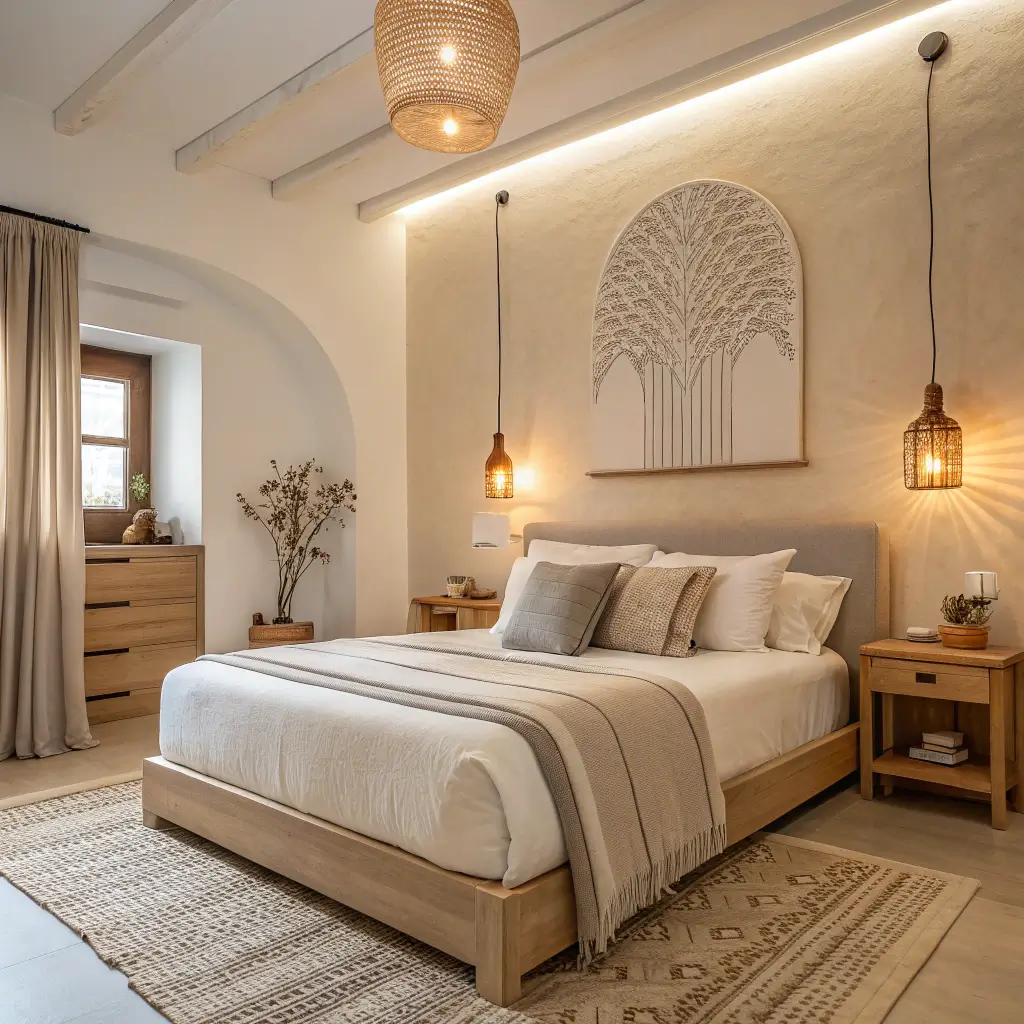
Neutral doesn’t mean boring. Let me repeat that for the people in the back: neutral does not mean boring.
The Power of Neutrals
Neutral tones create a timeless foundation that doesn’t date itself. While trendy colors come and go, a well-designed neutral bedroom remains stylish for years. Plus, neutrals play beautifully with natural light at any time of day.
Building a Neutral Palette
Go beyond basic beige:
- Warm whites: Cream, ivory, off-white
- Tans and taupes: Camel, sand, mushroom
- Soft grays: Greige, dove gray, silver
- Earthy tones: Terracotta, clay, rust
- Cool neutrals: Slate, charcoal, navy (yes, navy counts)
Adding Interest Without Color
Texture becomes everything in neutral spaces. Layer different fabrics and materials:
- Linen bedding with velvet pillows
- Wool throws on cotton sheets
- Wooden furniture against plaster walls
- Woven baskets near smooth ceramics
Natural light shifts throughout the day, changing how these textures appear. Your bedroom literally transforms from morning to evening. It’s like having multiple rooms in one.
Also Read: 15 Trendy 1 Bedroom Condo Interior Design Ideas for Chic Spaces
7. Minimal Industrial Bedroom
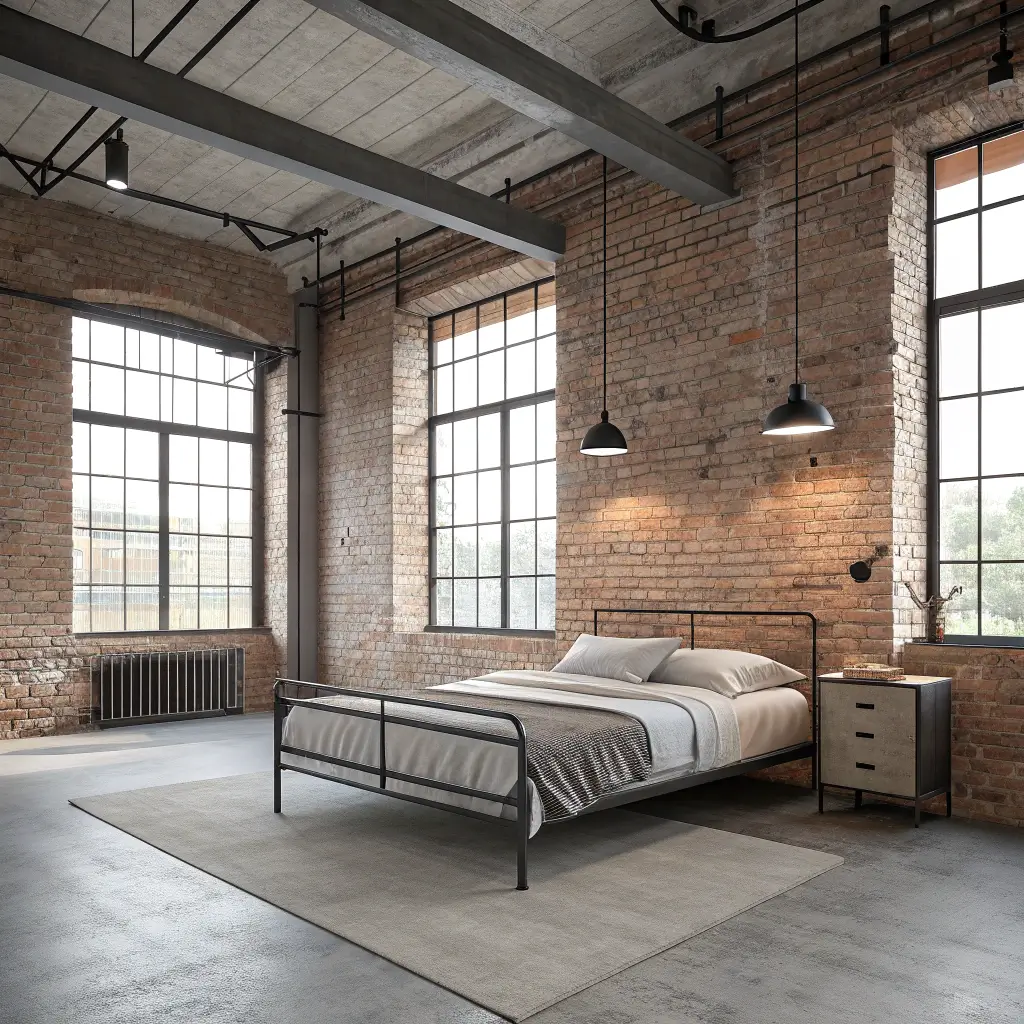
Industrial minimalism combines raw, urban elements with clean design. It’s edgy without being cold, minimal without being sterile.
The Industrial Aesthetic
This style celebrates exposed structural elements: brick walls, concrete floors, visible ductwork, metal fixtures. It originated in converted warehouses and lofts but works in any space with the right approach.
Essential Components
- Materials: Raw metal, reclaimed wood, concrete, exposed brick
- Colors: Charcoal, rust, deep browns, black, white
- Furniture: Simple metal bed frames, wooden nightstands, leather accents
- Lighting: Edison bulbs, metal pendant lights, industrial floor lamps
- Textiles: Chunky knits, distressed leather, raw linen
Why Natural Light Matters Here
Industrial spaces can feel harsh without proper lighting. Large windows are typical in this style, flooding the space with daylight that softens all those hard materials. The light creates interesting shadows on textured brick and reflects beautifully off metal surfaces.
If your space lacks natural light, this style becomes tricky. Consider adding multiple light sources and choosing warmer metals (brass, copper) over cold steel.
Keeping It Minimal
Industrial design tempts you to accessorize with vintage finds and salvaged objects. Resist. Choose one or two statement pieces—maybe a reclaimed wood headboard or a vintage factory light—and let them shine against a clean backdrop.
8. Minimal Bedroom with Natural Light
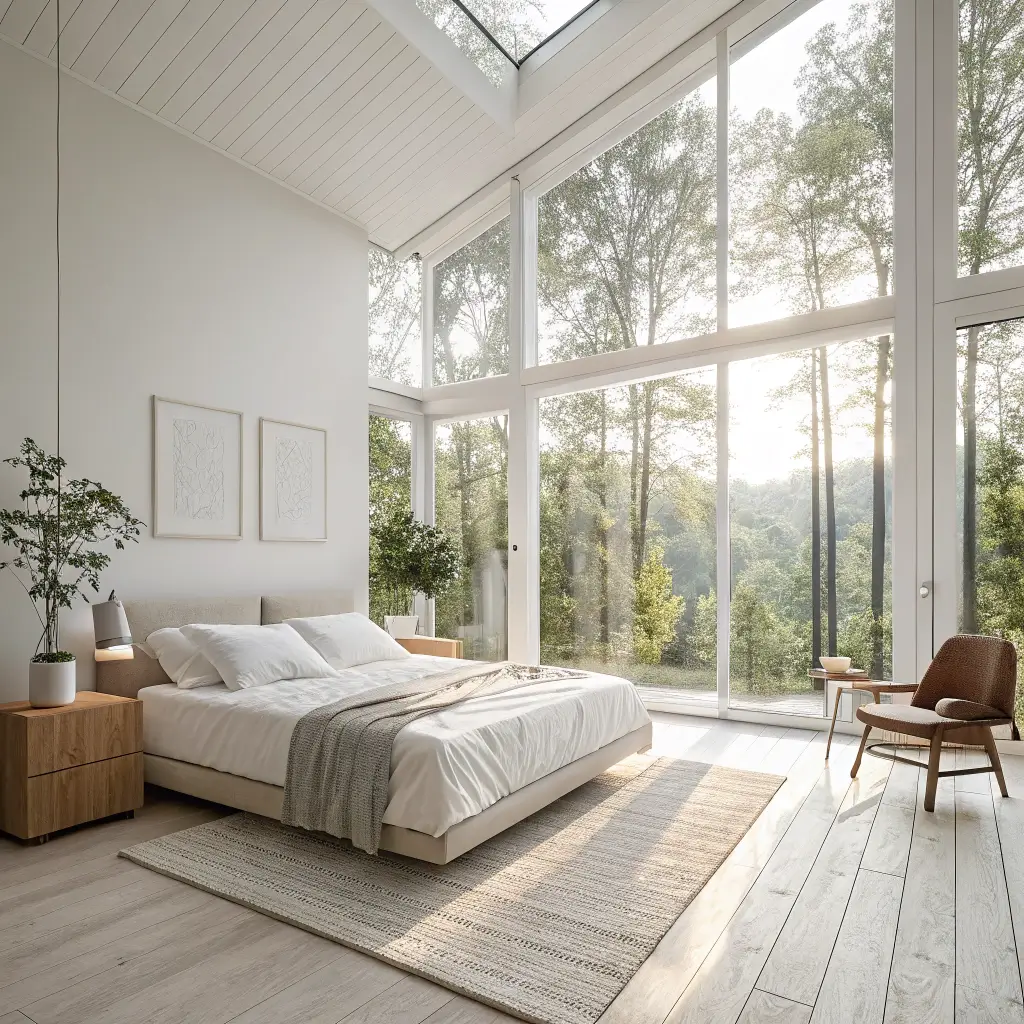
Let’s address the star of our show directly. When natural light itself becomes the design element, everything else takes a supporting role.
Designing Around Light
Study your light first. Before choosing paint colors or furniture, observe how light moves through your space throughout the day. Which direction do your windows face? When does golden hour hit? Where do shadows fall?
Maximizing Natural Light
- Window treatments: Choose sheer fabrics or skip them entirely
- Mirror placement: Position mirrors to reflect and amplify light
- Color choices: Light, reflective colors bounce light around the room
- Furniture arrangement: Don’t block windows with tall furniture
- Surface finishes: Matte absorbs light; satin and gloss reflect it
The Light-Focused Layout
Position your bed to wake with the sun if you’re a morning person (weird, but okay). Or place it where soft afternoon light washes over you during weekend naps. The bed placement should respond to how you actually live.
My Personal Experience
FYI, I rearranged my bedroom three times before finding the perfect light relationship. My bed now catches morning light but avoids the harsh afternoon sun. The difference in my sleep quality and mood? Legitimately noticeable.
9. Minimal Bedroom with Floating Furniture
Nothing says “modern minimal” quite like furniture that appears to defy gravity. Floating furniture creates visual lightness and makes cleaning underneath a breeze (finally, a design choice with practical benefits).
The Floating Effect
Wall-mounted furniture creates the illusion that pieces hover above the floor. This includes:
- Floating nightstands
- Wall-mounted headboards
- Suspended shelving
- Platform beds with recessed bases
Design Benefits
When furniture floats, your eye travels continuously across the room. The floor line remains unbroken, making spaces feel larger and more open. Light flows under and around pieces, enhancing that airy quality.
Installation Considerations
Fair warning: floating furniture requires proper installation. You need to locate wall studs and use appropriate hardware. A floating nightstand ripping off your wall at 3 AM because you skimped on mounting is not the vibe.
Creating Visual Flow
Combine floating pieces with low-profile furniture for maximum impact. Keep the area beneath furniture clear—no storage bins defeating the purpose. And for maximum drama, add LED strip lighting under your bed frame. Your room becomes a spaceship, and honestly, that’s kind of fun.
Also Read: 12 Luxurious Masters Bedroom Interior Design Ideas for Homes
10. Minimal Bedroom with Accent Wall
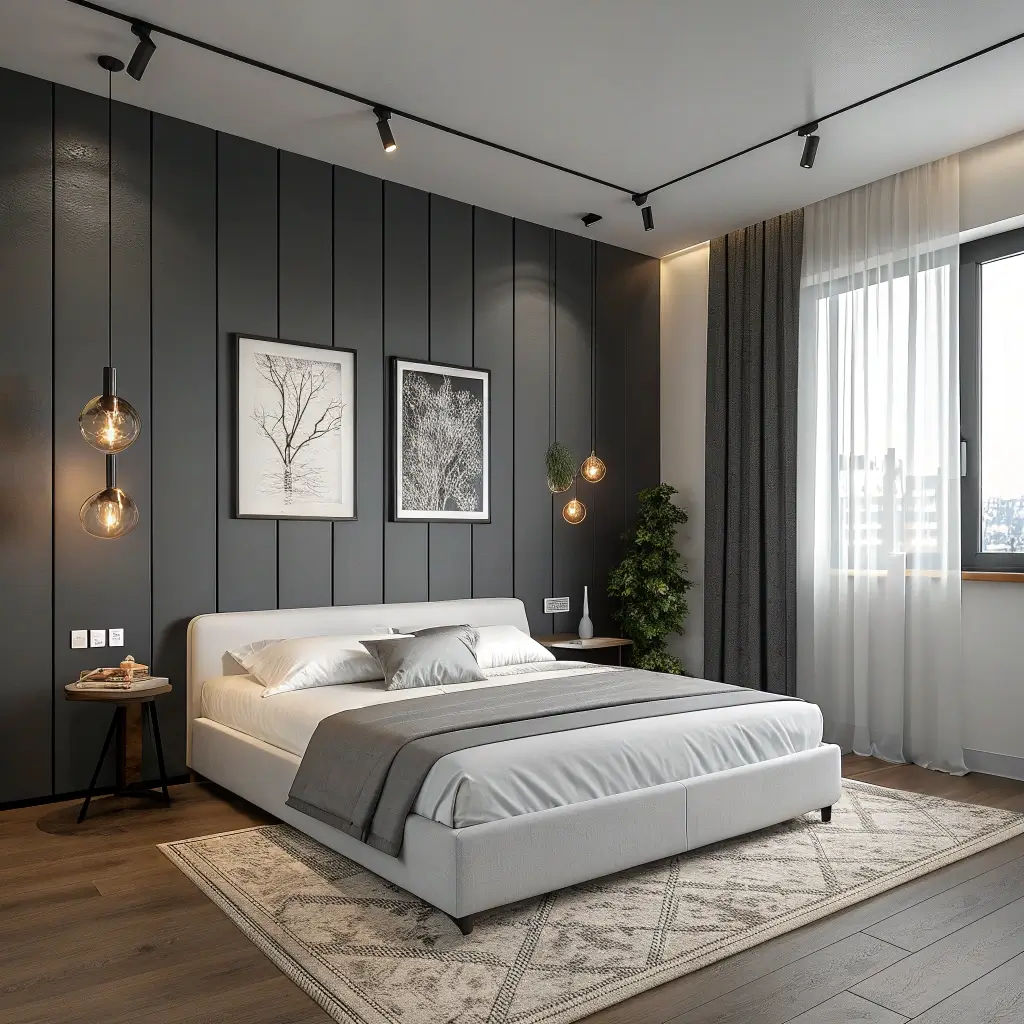
Here’s proof that minimalism doesn’t mean visual monotony. A single accent wall adds drama and focus while maintaining overall simplicity.
Choosing Your Accent Wall
Typically, you’ll accent the wall behind your bed—it creates a natural focal point and grounds the sleeping area. But rules are meant to be broken. Consider accenting:
- The wall with the largest window
- A wall with interesting architectural features
- The wall visible from the doorway
Accent Wall Options
- Paint: A deeper shade of your room’s color palette
- Wallpaper: Subtle texture or geometric patterns
- Wood paneling: Vertical slats or reclaimed wood
- Stone or brick: Natural texture and warmth
- Fabric: Upholstered walls add luxury and acoustics
Keeping It Minimal
The key? Let the accent wall breathe. Don’t cover it with art or shelving. The wall itself is the art. Keep the rest of the room simple—neutral colors, streamlined furniture, minimal accessories.
Natural light enhances accent walls dramatically. That textured wood panel? It looks completely different as shadows shift throughout the day. Morning light might highlight grain patterns while evening light creates deeper shadows.
11. Minimal Bedroom with Hidden Storage
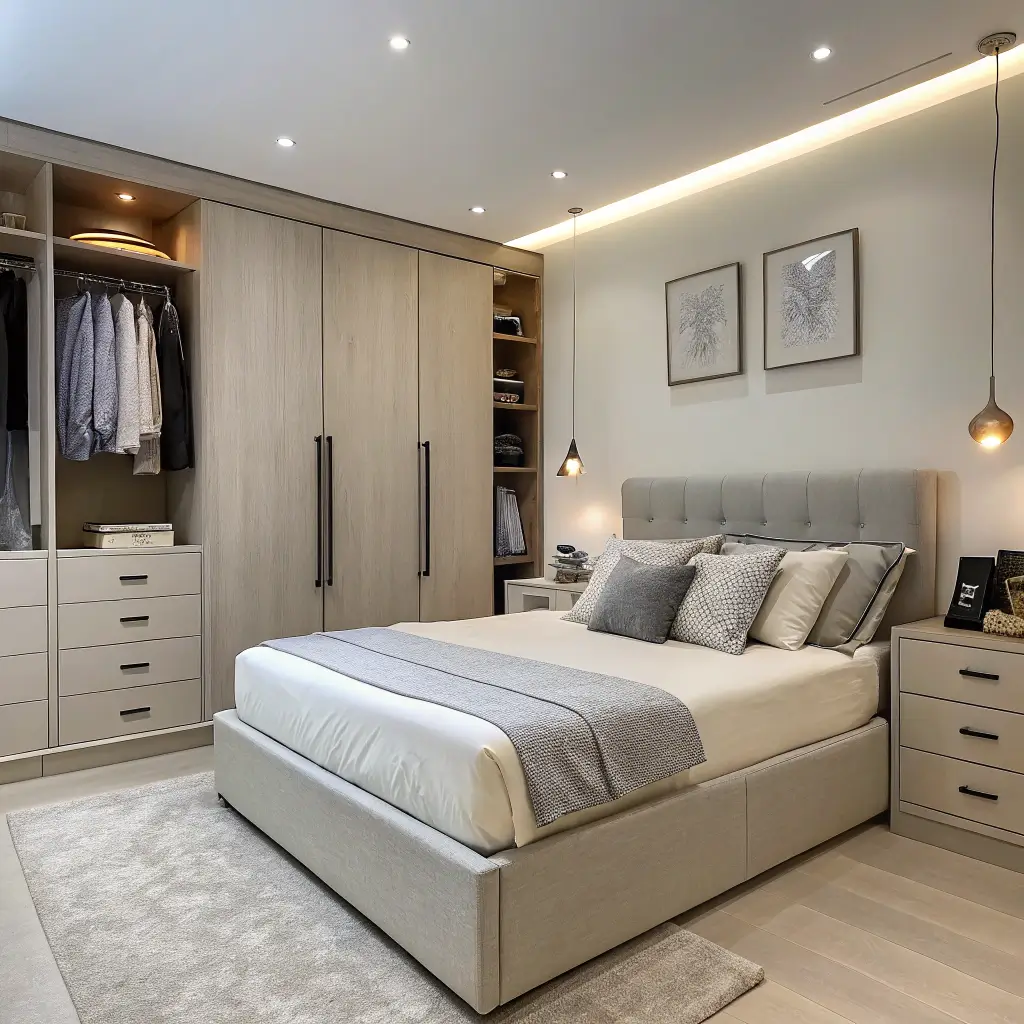
Clutter kills minimalism faster than anything else. Hidden storage is your secret weapon for maintaining that clean, serene aesthetic while actually owning stuff.
Storage Solutions That Disappear
- Platform beds with drawers: Store linens, off-season clothing, extra pillows
- Ottoman benches: Seating plus storage at the foot of your bed
- Built-in closets: Floor-to-ceiling doors that blend with walls
- Nightstands with drawers: Keep bedside essentials out of sight
- Under-bed containers: When platform storage isn’t an option
The Psychology of Hidden Storage
When you can’t see clutter, your brain relaxes. Visual simplicity promotes mental calm. You still have your stuff—it’s just not screaming at you from every surface.
Strategic Organization
Hidden storage only works if you organize what’s inside. Otherwise, you’re just hiding chaos behind doors. Use drawer dividers, labeled bins, and the “one in, one out” rule to prevent hidden spaces from becoming disaster zones.
Design Integration
Choose storage pieces that blend with your overall design. Handle-free drawers, push-to-open mechanisms, and matching finishes help storage disappear completely. The goal? Guests shouldn’t even notice where you keep things.
12. Minimal Bedroom with Indoor Plants
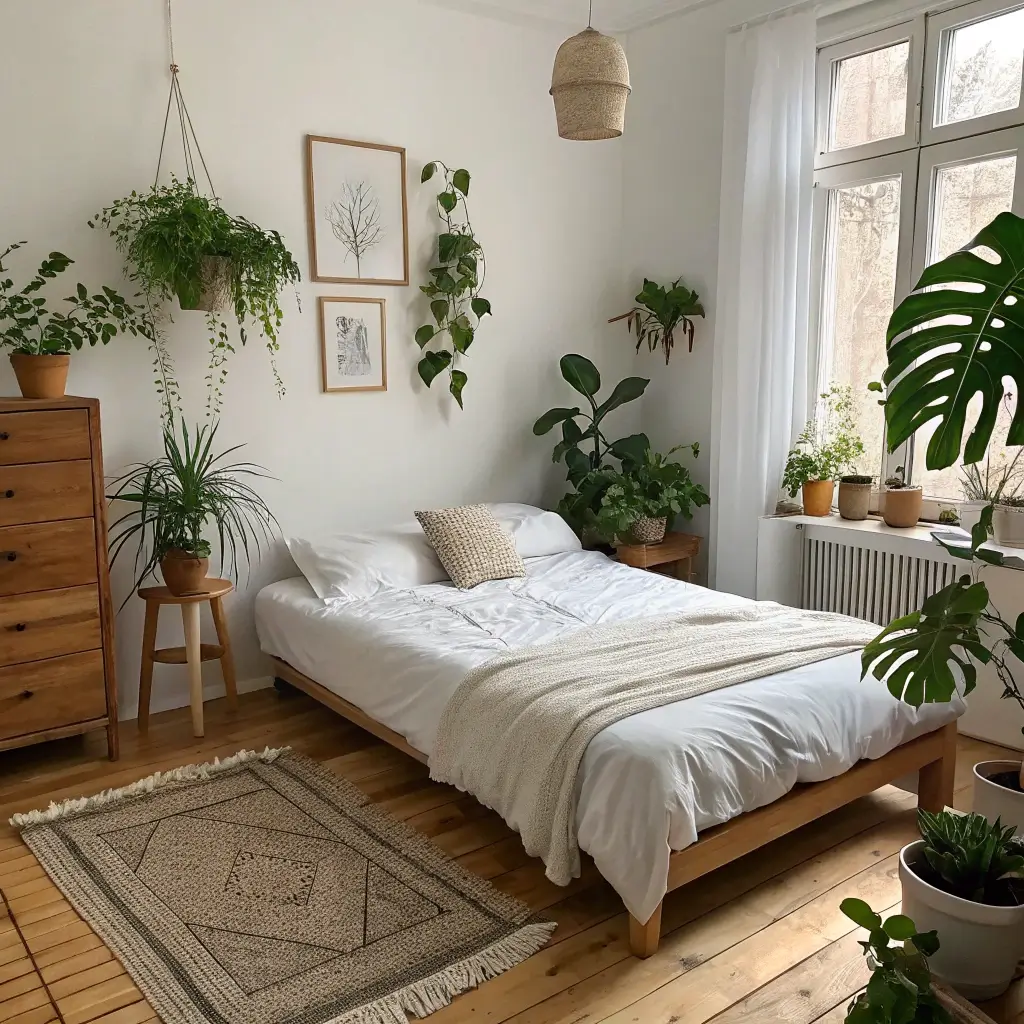
Plants and minimalism might seem contradictory—aren’t you adding more stuff? But strategic greenery actually enhances minimal spaces by connecting them to nature.
The Biophilic Connection
Humans crave natural elements. We’re hardwired to feel calm around plants, water, and organic materials. A minimal bedroom with one carefully chosen plant feels more complete than a sterile space without any life.
Choosing Plants for Minimal Bedrooms
Less is more. Skip the jungle vibes and choose one to three plants with sculptural quality:
- Fiddle leaf fig: Dramatic, statement-making
- Snake plant: Architectural and nearly impossible to kill
- Monstera: Bold leaves, tropical feel
- Rubber plant: Glossy, structural, low-maintenance
- Peace lily: Elegant and purifies air while you sleep
Placement Matters
Position plants where natural light supports their growth AND where they enhance your design. A tall plant in an empty corner adds vertical interest. A small potted plant on a floating shelf brings life to an otherwise minimal vignette.
Keeping It Clean
Choose simple, neutral planters—no garish patterns or cutesy designs. Ceramic, concrete, or woven baskets work beautifully. Keep leaves dusted and remove dead foliage immediately. A dying plant screams neglect, not minimalism.
Also Read: 15 Tranquil Japandi Bedroom Interior Design Ideas for Relaxation
13. Minimal Modern Luxury Bedroom
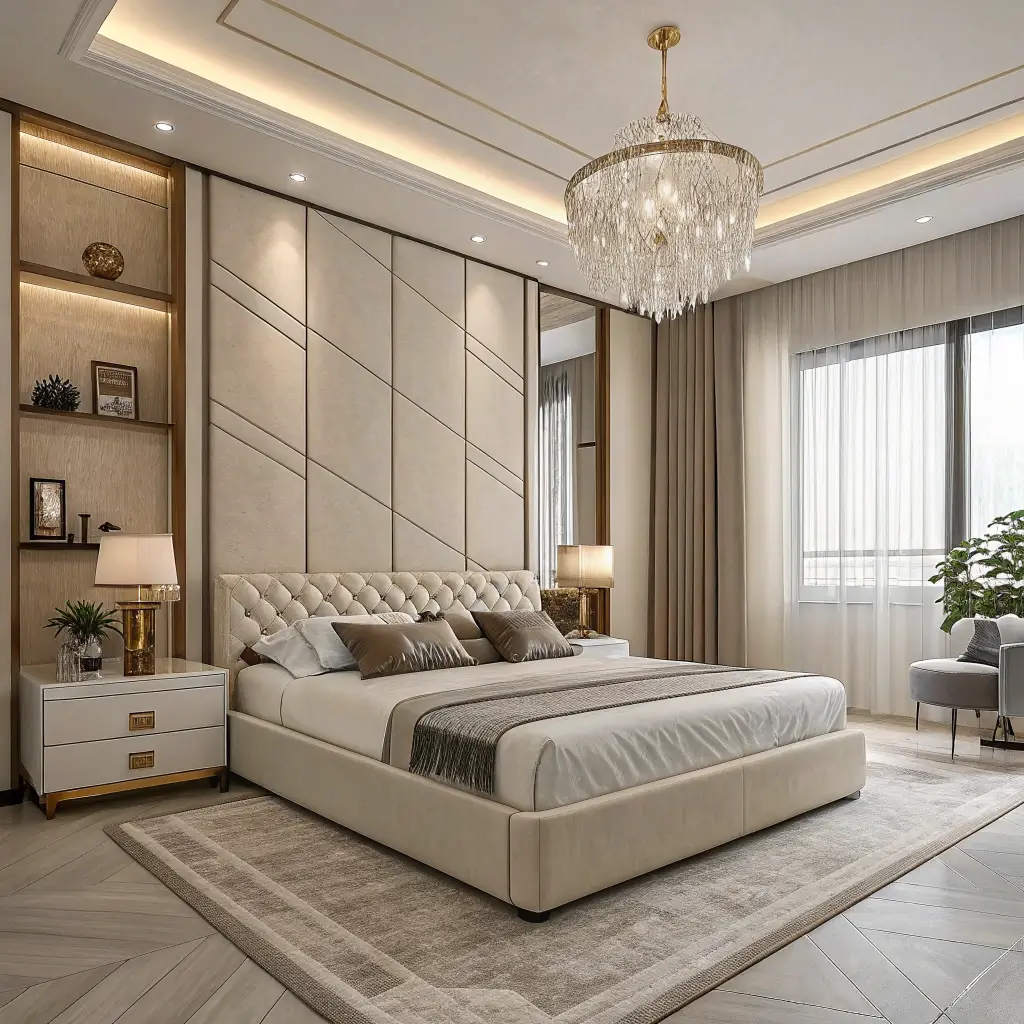
Who says minimalism can’t feel expensive? Luxury minimalism combines the “less is more” philosophy with high-end materials and impeccable craftsmanship.
Luxury Through Restraint
Luxury minimal bedrooms don’t rely on gilded mirrors and crystal chandeliers. Instead, they invest in fewer, better things. Every piece is exceptional quality. Every material is thoughtfully selected. Every detail is intentional.
Hallmarks of Luxury Minimalism
- Premium materials: Marble, brass, velvet, cashmere, silk
- Neutral palette: Creams, taupes, soft blacks
- Statement lighting: One incredible fixture instead of multiple mediocre ones
- Quality bedding: High thread count, natural fibers
- Bespoke furniture: Custom or designer pieces
The Role of Natural Light
Natural light is the ultimate luxury. It costs nothing but transforms everything. Large windows, high ceilings, and unobstructed light access feel more expensive than any purchased item.
Investment Pieces Worth It
If you’re going luxury minimal, invest in your bed. A stunning headboard, exceptional mattress, and the best linens you can afford create daily luxury. Everything else can stay simple.
Final Thoughts
So there you have it—15 different approaches to creating a minimal bedroom that celebrates natural light. Whether you’re drawn to Scandinavian coziness, Japanese serenity, or modern luxury, there’s a minimal style that fits your personality and space.
Here’s what I’ve learned from experimenting with these ideas: minimalism isn’t about following rigid rules. It’s about removing what doesn’t serve you so what remains can truly shine. Natural light becomes more beautiful when it’s not competing with clutter. Your bed becomes a true sanctuary when it’s the star of a simplified room.
Start small if you’re feeling overwhelmed. Pick one concept from this list that resonates with you. Edit one category of possessions. Move one piece of furniture to catch better light. Small changes compound into transformations.
And remember—your minimal bedroom should make YOUR life better. If you need a nightstand full of books to feel at home, keep them. If you can’t sleep without your grandmother’s quilt, display it proudly. Minimalism that makes you miserable is missing the point entirely.
Now go forth and create that serene, light-filled space you’ve been pinning at 2 AM. Your future well-rested self will thank you. 🙂